
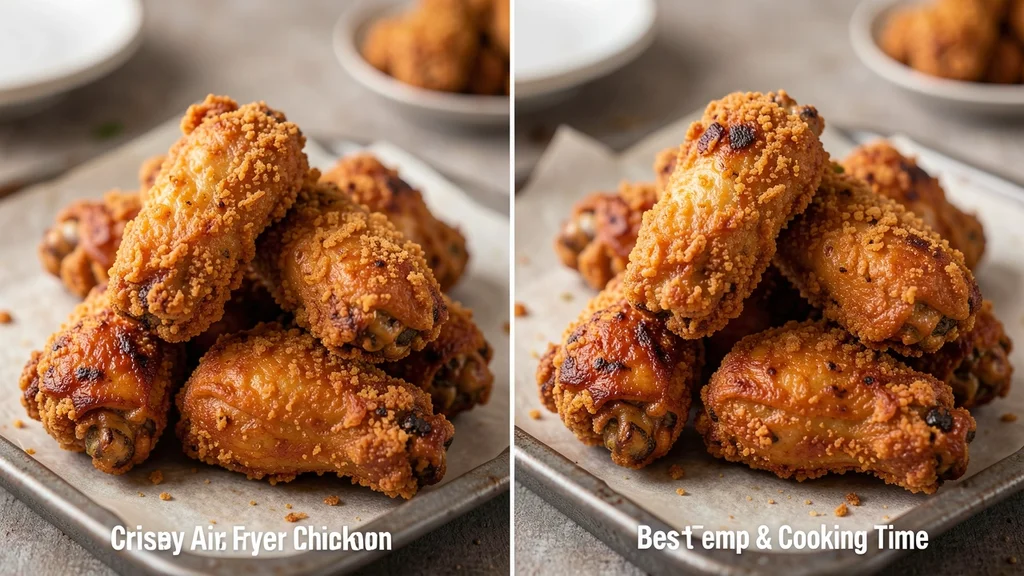
Achieving perfectly crispy chicken wings in your air fryer can feel like a culinary quest, but the secret lies in finding the ideal temperature and cooking time. Many home cooks struggle with undercooked, rubbery, or inconsistently browned wings, leading to disappointment. This guide will cut through the confusion, revealing the precise settings you need for crispy air fryer chicken wings every single time.
We’ll explore why temperature and timing are crucial, how to prepare your wings for optimal crispiness, and what pitfalls to avoid, ensuring your next batch is a guaranteed hit for game day or any occasion.
For the crispiest air fryer chicken wings, aim for a high temperature of 400°F (200°C) for the initial cook, followed by a slightly lower temperature of 375°F (190°C) for a second crisping phase if needed, with total cooking times ranging from 20-25 minutes, depending on wing size and preference. Ensure wings are dry and spaced out in the basket for maximum crispiness.
The Science Behind Crispy Wings
The magic of crispy wings in an air fryer boils down to two main factors: high heat and efficient air circulation. Air fryers work by circulating hot air at a very high speed around the food, mimicking the effect of deep frying without submerging the food in oil. This rapid air movement helps to evaporate moisture from the surface of the chicken wings, a critical step in achieving that desirable crunch. The Maillard reaction, a chemical process responsible for browning and flavor development, is accelerated by high temperatures, turning pale skin into a savory, golden-brown delight.
Achieving the perfect crispiness isn’t just about tossing wings into the basket; it involves understanding how heat interacts with the wing’s surface and interior. Too low a temperature, and the wings will steam, resulting in a soft, unappealing texture. Too high, and the outside might burn before the inside is cooked through, or the fat won’t render properly, leaving them greasy. The right balance ensures that the skin crisps up beautifully while the meat remains tender and juicy.
Here’s a breakdown of why these elements are so important:
- High Heat for Browning: Temperatures around 375°F to 400°F (190°C to 200°C) are essential for initiating the browning process and developing that irresistible crispy texture.
- Rapid Air Circulation: The fan in the air fryer is key. It ensures hot air reaches all surfaces of the wings, promoting even cooking and crisping.
- Moisture Evaporation: Dry wings are crispy wings. The air fryer’s environment helps draw moisture away from the skin, allowing it to crisp up instead of becoming soggy.
- Fat Rendering: Sufficient heat allows the fat within and under the skin to render, contributing to both flavor and a crisper texture.
Optimal Temperature Settings for Crispy Wings
Finding the sweet spot for temperature is paramount. Most air fryer experts and enthusiasts agree that a temperature range of 375°F to 400°F (190°C to 200°C) is ideal for achieving crispy chicken wings. Starting at a higher temperature can help kickstart the crisping process, while a slightly lower temperature might be used for a second phase to ensure even cooking without burning.
It’s important to note that air fryers can vary in their actual temperature output. Some models run hotter or cooler than indicated on the dial. Therefore, it’s wise to get to know your specific appliance and possibly use an oven thermometer to verify its accuracy, especially when you’re first experimenting.
Here’s a common and effective temperature strategy:
- Initial Cook: Begin by preheating your air fryer to 400°F (200°C). This high heat immediately begins to crisp the skin and render fat.
- Mid-Cook Adjustment (Optional): Some recipes suggest reducing the temperature slightly to 375°F (190°C) after the initial 10-12 minutes to ensure the inside cooks thoroughly without the outside burning.
- Second Crisp (If Needed): If your wings aren’t as crispy as you’d like after the main cooking time, you can increase the temperature back to 400°F (200°C) for the last 2-3 minutes, watching them closely to prevent burning.
The exact temperature can also depend on whether your wings are coated in a sauce or seasoning. Dry-rubbed wings might benefit from a consistent high heat, while sauced wings might need careful monitoring to prevent the sauce from burning.
Tip: Always preheat your air fryer for at least 3-5 minutes before adding the wings. This ensures the entire basket is hot and ready to cook, promoting immediate crisping.
Determining the Perfect Cooking Time
Cooking time is as crucial as temperature. For a standard batch of chicken wings (about 1 to 1.5 pounds), the total cooking time typically ranges from 20 to 25 minutes at 375°F to 400°F (190°C to 200°C). This time can fluctuate based on several factors, including the size of the wings, how crowded your air fryer basket is, and your desired level of crispiness.
It’s not a set-it-and-forget-it process. You’ll need to check on your wings periodically, especially towards the end of the cooking cycle. Flipping them halfway through is essential for even browning and crisping on all sides.
Here’s a general timeline to follow:
- First 10-12 minutes: Cook at 400°F (200°C).
- Flip and Cook: Flip the wings and continue cooking for another 8-10 minutes at 375°F (190°C) or 400°F (200°C), depending on your preference and how they’re browning.
- Check for Doneness: Wings should be golden brown, crispy, and reach an internal temperature of 165°F (74°C).
- Second Crisp (Optional): If more crispiness is desired, increase the temperature to 400°F (200°C) for the final 2-5 minutes, watching very closely.
Remember, smaller wings cook faster than larger ones. If you’re using party wings (which are often cut into flats and drumettes), they’ll likely cook a bit quicker than whole wings. Always err on the side of slightly undercooking and then adding more time if needed, rather than overcooking and ending up with dry, burnt wings.
Preparing Wings for Maximum Crispiness
The preparation steps before the wings even hit the air fryer are just as vital as the cooking itself. Skipping these can lead to soggy skin, no matter how perfect your temperature and time settings are.
The number one rule for crispy wings is moisture control. Chicken skin contains a lot of moisture, and if this isn’t dealt with, it will steam rather than crisp in the hot air.
Here’s how to prepare your wings for success:
- Pat Them Dry: This is non-negotiable. After rinsing (if you do rinse them, though many experts advise against it for safety reasons) and cutting your wings, use paper towels to thoroughly pat them dry. Get into all the nooks and crannies. The drier the skin, the crispier they will become.
- Seasoning Strategy: For maximum crispiness, apply your dry rub or seasonings after patting the wings completely dry. A light coating of baking powder (about 1 teaspoon per pound of wings) mixed with your salt and spices can also help draw out moisture and create an even crispier exterior.
- Avoid Overcrowding: This is a common mistake. Air fryer baskets are designed for air circulation. If you pack too many wings in, the hot air can’t reach all surfaces, leading to uneven cooking and steaming. Cook in batches if necessary. A single layer is ideal.
- Consider a Light Oil Coating: While air fryers use less oil, a very light coating of high-smoke-point oil (like avocado or canola oil) can help promote browning and crisping. Toss the wings in a tablespoon or two of oil before seasoning.
These simple preparation steps lay the foundation for deliciously crispy wings. Don’t underestimate their importance!
Important: Ensure your wings are fully thawed if they were frozen. Partially frozen wings will not cook evenly and will likely result in a soggy texture.
Common Pitfalls and How to Avoid Them
Even with the right temperature and time, a few common mistakes can sabotage your crispy wing quest. Being aware of these pitfalls can save you from a disappointing batch.
One of the most frequent errors is overcrowding the air fryer basket. This prevents proper air circulation, leading to wings that are steamed rather than fried, resulting in a limp, rubbery texture.
Here are other common mistakes and how to sidestep them:
- Not Preheating: Many people put food into a cold air fryer. This leads to longer cooking times and less consistent results. Always preheat your air fryer as you would an oven.
- Skipping the Flip: Wings need to be flipped halfway through cooking. This ensures both sides get exposed to the hot air for even crisping and browning.
- Using a Wet Rub Too Early: If you’re using a wet sauce or marinade, it’s often best to apply it during the last few minutes of cooking or after the wings are already cooked and crispy. Applying it too early can lead to steaming and prevent crisping.
- Cutting Corners on Drying: As mentioned, not drying the wings thoroughly is a sure path to sogginess. Don’t rush this step.
- Ignoring Wing Size: Different sized wings will cook at different rates. If you have a mix of flats and drumettes, or very large and small pieces, they might not all finish perfectly at the same time. Keep an eye on them and remove any that are done early.
- Over-Reliance on Preset Buttons: While convenient, air fryer presets are often generic. For the best results, manual control over temperature and time is usually superior.
By paying attention to these details, you can significantly improve the outcome of your air fryer chicken wings.
Saucing and Seasoning for Flavor
Once your wings are perfectly crispy, the fun part begins: flavoring them! Whether you prefer a classic buffalo sauce, a smoky BBQ glaze, or a simple garlic parmesan, the timing of application is key to maintaining that hard-earned crispiness.
For dry rubs, you can apply them before cooking, as discussed earlier. These rubs adhere well to the dry skin and bake on during the cooking process, creating a flavorful crust.
When it comes to wet sauces, there are a couple of approaches:
- Sauce After Cooking: This is generally the best method for preserving maximum crispiness. Once the wings are cooked and perfectly crisp, toss them in your desired sauce in a clean bowl until evenly coated. This prevents the sauce from steaming the wings during the cooking process.
- Sauce During the Last Few Minutes: If you want the sauce to caramelize slightly onto the wings, you can brush or toss them in sauce during the final 2-5 minutes of cooking. Watch them very closely to prevent burning, especially if the sauce contains sugar.
Consider the type of sauce. A thicker, glaze-like sauce might work better for the “sauce after cooking” method, while a lighter, thinner sauce might caramelize more effectively in the last few minutes.
Here are some popular flavor profiles to consider:
- Classic Buffalo: Hot sauce (like Frank’s RedHot) mixed with melted butter.
- BBQ: Your favorite store-bought or homemade BBQ sauce, perhaps with a touch of honey or brown sugar.
- Garlic Parmesan: Melted butter, minced garlic, grated Parmesan cheese, and parsley.
- Sweet Chili: A blend of sweet chili sauce, soy sauce, ginger, and garlic.
- Lemon Pepper: A dry rub made with lemon zest, black pepper, salt, and a touch of garlic powder.
The possibilities are endless, and experimenting with different sauces and dry rubs is part of the joy of making air fryer wings.
Warning: Be cautious when adding sugary sauces or glazes during the last few minutes of cooking. Sugars can burn very quickly at high air fryer temperatures, leading to a bitter taste and burnt appearance.
Frequently Asked Questions
What is the best temperature for crispy air fryer chicken wings?
The best temperature for achieving crispy air fryer chicken wings is typically between 375°F and 400°F (190°C to 200°C). Starting at a higher temperature like 400°F for the initial cook can help render fat and crisp the skin effectively.
How long should I cook chicken wings in the air fryer?
For most standard-sized chicken wings, a total cooking time of 20-25 minutes is usually sufficient at temperatures between 375°F and 400°F. This includes flipping the wings halfway through the cooking process.
Can I cook frozen chicken wings in the air fryer?
While it’s possible to cook frozen chicken wings, they will take longer and may not achieve the same level of crispiness as thawed wings. It’s recommended to thaw them completely and pat them dry for the best results.
Why are my air fryer chicken wings not crispy?
The most common reasons for non-crispy wings are overcrowding the air fryer basket, not patting the wings dry enough, or not using a high enough temperature. Ensuring good air circulation and dry surfaces is key.
Should I use oil on chicken wings for the air fryer?
A very light coating of oil can help promote browning and crispiness, but it’s not strictly necessary. If you use oil, opt for a high-smoke-point oil like avocado or canola oil and toss the wings lightly before seasoning.
Final Thoughts
Mastering the art of crispy air fryer chicken wings: best temp & cooking time is an achievable goal with the right knowledge. By focusing on thorough drying, optimal high temperatures, proper cooking times, and avoiding common pitfalls like overcrowding, you can consistently produce delicious, golden-brown, and perfectly crunchy wings. Experiment with seasonings and sauces to make them your own, and enjoy the convenience and fantastic results your air fryer can deliver.