
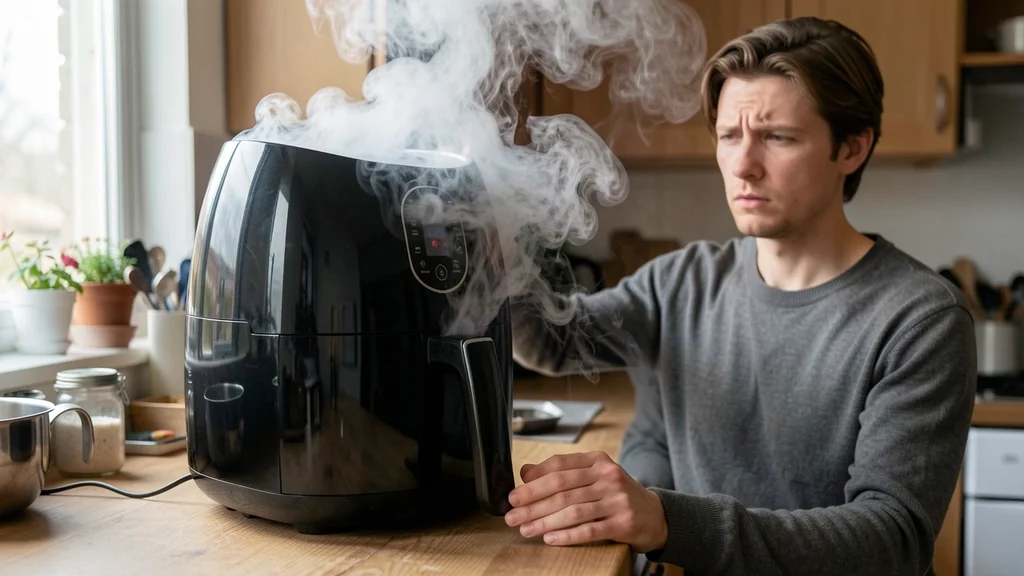
Experiencing smoke billowing from your air fryer can be alarming, turning a healthy cooking shortcut into a potential kitchen hazard. If your air fryer is smoking, why is your air fryer smoking? the primary culprits usually involve residue buildup, overheating, or improper use. Understanding these common issues is the first step to safely and effectively using your appliance.
This guide will walk you through the most frequent reasons for air fryer smoke and provide clear, actionable solutions to get your appliance back to its pristine, smoke-free working order. We’ll cover everything from cleaning hacks to correct cooking techniques so you can enjoy crispy foods without the worry.
If your air fryer is smoking, it’s most likely due to accumulated grease and food debris, overheating, or using foods with too much fat. Quick fixes involve thorough cleaning, ensuring proper preheating, and selecting appropriate cooking temperatures and food types. Addressing these common issues promptly will restore your air fryer’s functionality and prevent future smoke outbreaks.
Common Culprits Behind Air Fryer Smoke
The most frequent reason for your air fryer to start smoking is the accumulation of grease and food particles. Over time, as you cook various foods, small bits of food and rendered fat can drip down into the heating element or the base of the appliance. When the air fryer heats up for your next meal, this trapped residue bakes on and then burns, producing smoke.
This is especially common with fattier foods like bacon, sausages, or chicken wings if the appliance isn’t cleaned regularly.
Another significant factor is using foods with a high fat content or coating them in too much oil. While air frying is designed to use less oil, some foods naturally release a lot of fat during cooking. If this fat drips onto the hot surfaces, it can vaporize and smoke.
Similarly, if you’re using cooking sprays, excessive use can lead to a sticky buildup that burns.
- Grease and food debris accumulation in the basket and heating element.
- Overheating due to prolonged cooking times or incorrect temperature settings.
- Cooking foods with high fat content that releases smoke when heated.
- Improper use of cooking sprays leading to sticky residue.
- Cracks or damage to the non-stick coating on the basket or tray.
- Using foods that are too finely chopped or crumbly, which can blow into the heating element.
The Importance of Regular Cleaning
Think of your air fryer like any other kitchen appliance that cooks food, such as an oven or a stovetop. Regular cleaning is not just about aesthetics; it’s crucial for hygiene and performance. When food particles and grease are left behind, they become a breeding ground for bacteria and, as we’ve discussed, a primary cause of smoke.
A clean air fryer cooks more efficiently and ensures that your food doesn’t pick up any unpleasant burnt flavors from old residue.
The cleaning process itself is usually quite straightforward. Most air fryer baskets and trays are removable and often dishwasher-safe, though handwashing is generally recommended to preserve their non-stick coating. The interior of the appliance, particularly around the heating element, may require a bit more care and attention.
Neglecting this maintenance can lead to persistent smoking issues that are difficult to resolve later.
Cleaning Your Air Fryer Basket and Tray
The removable basket and tray are the parts that come into direct contact with food, so they need the most frequent attention. After each use, allow the components to cool slightly, then wash them with warm, soapy water. For stubborn, burnt-on bits, you can soak them in hot, soapy water for about 15-30 minutes before scrubbing.
A non-abrasive sponge or brush is ideal to avoid damaging the non-stick surface.
If your basket is particularly greasy, you can use a degreaser specifically designed for kitchen use. Some manufacturers recommend cleaning these parts in the dishwasher, but always check your user manual first. Dishwasher detergents can be quite harsh and may degrade the non-stick coating over time, leading to food sticking and potential future smoking issues.
- Wash basket and tray after each use once cooled.
- Use warm, soapy water and a non-abrasive sponge.
- Soak stubborn residue for 15-30 minutes.
- Check manual for dishwasher safety; handwashing is preferred.
- Use a kitchen degreaser for tough grease buildup.
Deep Cleaning the Interior and Heating Element
The interior of the air fryer, especially the area around the heating element, can be trickier to clean. Ensure the appliance is unplugged and completely cool. You can use a damp cloth or sponge to wipe down the interior walls.
For the heating element, which is often located at the top, be very gentle. A soft brush or a slightly damp cloth can be used to remove any loose debris. Avoid using excessive water or harsh chemicals directly on the heating element, as this can damage it.
Some users find success using a mixture of baking soda and water to create a paste for cleaning tough spots inside. Apply the paste, let it sit for a few minutes, then gently scrub and wipe clean. It’s also a good idea to periodically check the drip tray or the bottom of the appliance for any accumulated grease that might have bypassed the basket.
This area is often overlooked but can be a significant source of smoke.
Warning: Always ensure your air fryer is unplugged and completely cool before attempting any internal cleaning. Never immerse the main unit in water or any other liquid.
Cooking Techniques to Prevent Smoke
Beyond cleaning, how you use your air fryer plays a vital role in preventing smoke. One of the most common mistakes is overcrowding the basket. When the basket is too full, air cannot circulate properly, leading to uneven cooking and increased fat rendering.
This can cause food to steam rather than crisp, and the trapped moisture can contribute to smoke.
Another technique to consider is patting your food dry before placing it in the air fryer, especially for items like chicken or fish. Excess moisture can turn into steam, which, when combined with fat, can create a smoking effect. For fried foods, ensure they are coated evenly and not excessively, as too much batter or breading can burn and smoke.
Managing Fatty Foods
Cooking foods inherently high in fat, such as bacon, sausages, or fatty cuts of meat, requires special attention. These foods will naturally release a significant amount of grease. To mitigate smoke, consider these strategies:
- Line the Drip Tray: Place a piece of aluminum foil (with holes poked in it for air circulation) or a disposable liner in the drip tray at the bottom of the air fryer to catch excess grease.
- Cook in Batches: Avoid cooking large quantities of fatty foods at once. Cook in smaller batches to manage the amount of grease released at any given time.
- Use a Higher Temperature for Shorter Durations: For some fatty items, a higher temperature for a shorter period can help render the fat quickly and allow it to drip away before it has a chance to burn extensively.
- Drain Excess Fat: If possible, drain off any excess fat from the food before placing it in the air fryer.
It’s also worth noting that some foods, like popcorn kernels, can expand and cause issues if they get into the heating element, so always check your manual for a list of recommended and discouraged foods.
The Role of Cooking Sprays and Oils
While cooking sprays are convenient, they can be a hidden cause of smoke. Many cooking sprays contain propellants and emulsifiers that can leave a sticky residue when heated repeatedly. This residue can then burn.
Instead of aerosol sprays, consider using an oil mister or a brush to apply a light, even coat of oil to your food. This gives you more control over the amount of oil used and reduces the chance of residue buildup.
If you do use an oil mister, opt for oils with a high smoke point, such as avocado oil, grapeseed oil, or canola oil. These oils are less likely to break down and smoke at typical air fryer temperatures. Avoid using oils with very low smoke points like extra virgin olive oil for high-heat cooking, as they can burn and produce smoke and an unpleasant taste.
| Oil Type | Smoke Point (°F) | Best For Air Frying |
|---|---|---|
| Avocado Oil | 520 | Yes, high heat cooking |
| Grapeseed Oil | 420 | Yes, versatile |
| Canola Oil | 400 | Yes, good all-rounder |
| Extra Virgin Olive Oil | 375 | No, for low-heat or finishing |
Choosing oils with higher smoke points is crucial for preventing smoke and maintaining good flavor in your air-fried dishes.
Addressing Overheating and Temperature Settings
Air fryers operate at high temperatures, and sometimes, they can overheat. This can happen if the appliance is used for extended periods without breaks, or if the thermostat malfunctions. If you notice smoke accompanied by an unusual smell or the appliance shutting off unexpectedly, it might be a sign of overheating.
Always ensure you are using the correct temperature settings recommended for your food. While higher temperatures can speed up cooking, exceeding the recommended range for extended periods can lead to smoke and potentially damage your appliance. If you’re cooking something for a long time, consider reducing the temperature slightly or checking on the food more frequently.
Preheating Your Air Fryer
Preheating is a step that many people skip, but it’s important for even cooking and can help prevent smoke. Preheating allows the air fryer to reach its set temperature before you add your food. This means your food starts cooking immediately and evenly, reducing the overall cooking time and the chance of grease or food particles burning on the surface before they’re properly cooked.
Most manufacturers recommend preheating your air fryer for 3-5 minutes at the desired cooking temperature. During this time, the heating element is working to get up to temperature. If you put food in before it’s fully preheated, the food might sit in a cooler environment for longer, potentially releasing moisture and fat that then gets burned when the appliance finally reaches its optimal temperature.
Important: Always refer to your air fryer’s user manual for specific preheating instructions and recommended cooking temperatures for various foods.
When to Call a Professional or Replace Your Air Fryer
If you’ve tried all the cleaning and usage tips, and your air fryer continues to smoke excessively, it might be time to consider a more serious issue. Persistent smoke, especially if accompanied by strange noises or a burning smell that doesn’t dissipate after cleaning, could indicate a problem with the heating element or other internal components. In such cases, attempting to repair it yourself might be risky and void any remaining warranty.
For newer appliances still under warranty, contacting the manufacturer is the best course of action. They can guide you through troubleshooting steps or arrange for a repair or replacement. If your air fryer is older and the cost of repair outweighs the cost of a new unit, it might be more economical to invest in a replacement.
Safety should always be your top priority.
| Issue | Possible Cause | Action |
|---|---|---|
| Persistent Smoke | Internal component failure, severe residue | Contact manufacturer, consider replacement |
| Unusual Smells | Burning residue, electrical issue | Clean thoroughly, unplug if persistent smell |
| Appliance Shuts Off | Overheating, faulty thermostat | Allow to cool, check settings, contact support |
Don’t ignore persistent problems, as they can impact the safety and longevity of your air fryer.
Frequently Asked Questions
What should I do if my air fryer starts smoking during cooking?
Immediately turn off the air fryer and unplug it. Wait for it to cool down completely before inspecting the basket and interior for any obvious debris or excessive grease. Once cool, clean the removable parts and the interior as thoroughly as possible.
If the smoking was minor, you might be able to resume cooking after cleaning, but if it was significant, it’s best to investigate further.
How often should I clean my air fryer?
For optimal performance and to prevent smoke, it’s recommended to clean the removable basket and tray after every use. A more thorough deep clean of the interior and heating element should be done weekly or bi-weekly, depending on how frequently you use your air fryer and what types of food you cook.
Can I use aluminum foil in my air fryer?
Yes, you can often use aluminum foil, but with caution. It’s best used to line the drip tray to catch grease or to cover certain foods to prevent over-browning. Ensure the foil does not block air vents, as this can disrupt airflow and cause the appliance to overheat or cook unevenly.
Never place foil directly on the heating element.
Why does my air fryer smell like burning plastic?
A burning plastic smell can indicate that the heating element or other internal components are overheating or that there’s residue from manufacturing or packaging that hasn’t burned off yet. If it’s a new appliance, run it empty for a few cycles as per the manual’s instructions to burn off any manufacturing residues. If it’s an older appliance and the smell persists after thorough cleaning, it might signal an internal issue.
Is it safe to cook with a slightly smoking air fryer?
It is generally not safe to cook with an air fryer that is smoking significantly. Smoke indicates that something is burning, which can affect the taste of your food and, more importantly, could be a sign of a malfunction or a fire hazard. Minor wisps of smoke from very fatty foods might be normal but should be monitored.
Excessive smoke requires immediate attention.
Final Thoughts
Witnessing smoke from your air fryer can be concerning, but most issues are preventable and easily fixed with regular maintenance and mindful cooking practices. By prioritizing thorough cleaning after each use and addressing common problems like grease buildup and improper oil usage, you can ensure your air fryer continues to deliver perfectly crispy results without the smoke. Remember to consult your user manual for specific care instructions and always prioritize safety when using any kitchen appliance.