
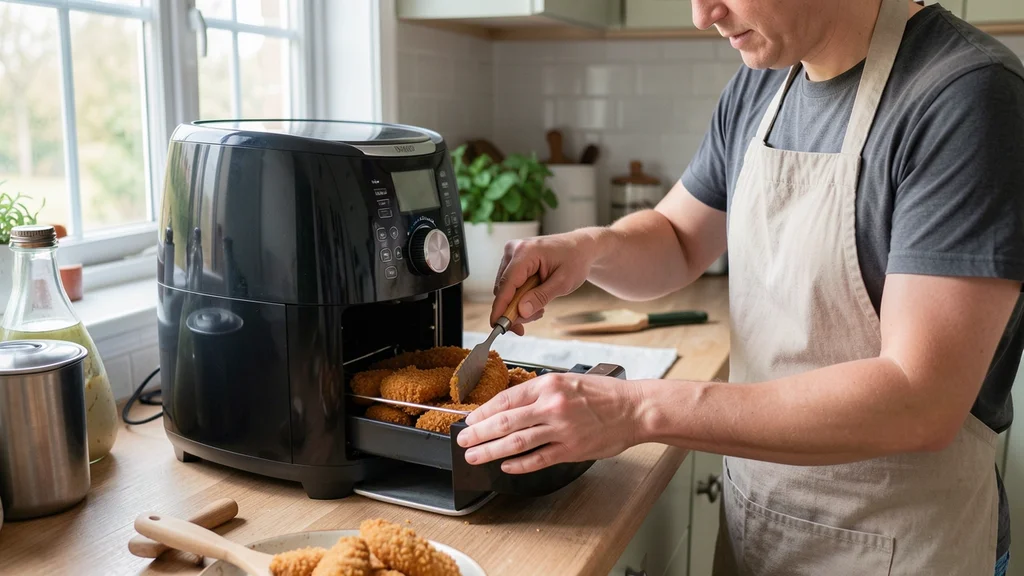
The rise of air fryers has been meteoric, promising healthier, crispier versions of fried favorites with less oil. But as these countertop marvels become staples in kitchens worldwide, a crucial question emerges: Are air fryers toxic or bad for you? Many wonder if the convenience and perceived health benefits come with hidden risks. This guide dives deep into the materials used, potential chemical leaching, and safe usage practices to provide a comprehensive health and safety overview of air fryers, ensuring you can cook with confidence.
Air fryers are generally safe for cooking when used correctly, with no widespread evidence of them being toxic. Concerns typically revolve around non-stick coatings and overheating, but adherence to manufacturer guidelines and proper maintenance mitigates these risks. Focus on reputable brands and avoid extreme temperatures to enjoy healthier, crispy meals.
Understanding Air Fryer Components and Materials
The primary concern regarding the safety of air fryers often stems from the materials used in their construction, particularly the non-stick coatings found in most baskets and trays. These coatings are typically made from polytetrafluoroethylene (PTFE), commonly known by the brand name Teflon. PTFE is a stable, inert polymer that is safe at typical cooking temperatures. However, when overheated significantly beyond its recommended temperature (usually above 500°F or 260°C), PTFE can begin to break down and release fumes. These fumes can cause temporary flu-like symptoms in humans, known as polymer fume fever, and can be harmful to birds.
Beyond PTFE, other components include stainless steel, plastic casings, and heating elements. Stainless steel is an inert and safe material for food contact. The plastics used are generally food-grade and designed to withstand moderate heat from the cooking process and the appliance’s exterior. The heating elements, usually made of nichrome wire, are sealed and not in direct contact with food. Understanding these materials helps demystify potential concerns and highlights where proper usage becomes critical.
- Non-Stick Coatings (PTFE/Teflon): Most common; safe at standard cooking temperatures.
- Stainless Steel: Used for baskets and internal components; inert and safe.
- Food-Grade Plastics: Used for external housing and some internal parts; designed for heat resistance.
- Heating Elements: Typically nichrome wire, sealed and not in direct contact with food.
- Aluminum: Sometimes used in heating elements or basket bases; generally safe.
Potential Risks Associated with Air Fryer Use
While air fryers are designed with safety in mind, certain practices can inadvertently lead to potential risks. The most frequently discussed concern is the overheating of PTFE non-stick coatings. If an air fryer is preheated for too long at very high temperatures, or if food with high fat content is cooked at extremely high heat, the coating could degrade. This degradation is more likely to occur if the basket is empty during prolonged high-heat preheating.
Another area of concern, though less common, is the potential for PFOA (perfluorooctanoic acid) contamination. PFOA was historically used in the manufacturing of PTFE but has largely been phased out by manufacturers due to health concerns. Modern air fryers manufactured by reputable brands typically do not contain PFOA. However, older or uncertified appliances might pose a slight risk. Additionally, improper cleaning can lead to a buildup of food residue, which can burn and produce smoke, though this is an issue of cleanliness rather than inherent toxicity of the appliance itself.
| Potential Risk | Mitigation Strategy |
|---|---|
| Overheating PTFE Coatings | Avoid prolonged preheating of empty baskets at very high temperatures (above 500°F/260°C). Follow manufacturer’s recommended cooking temperatures. |
| Potential PFOA Exposure (older models) | Purchase from reputable brands that confirm PFOA-free manufacturing. Check product specifications. |
| Smoke from Food Residue | Clean the basket and tray thoroughly after each use. Ensure food is not overcooked to the point of burning. |
Adhering to these simple precautions ensures that the cooking experience remains safe and healthy.
Health Concerns: Acrylamide and High-Temperature Cooking
One of the more significant health discussions surrounding air frying, and indeed any high-temperature cooking method that browns starchy foods, is the formation of acrylamide. Acrylamide is a chemical compound that can form in some foods during high-temperature cooking processes like frying, roasting, and baking. It is classified as a probable human carcinogen by the International Agency for Research on Cancer (IARC).
Air frying, by its nature, involves high temperatures and circulating hot air, which can lead to browning and crisping. This process, while delicious, can also contribute to acrylamide formation in foods like potatoes, bread, and coffee. However, it’s important to note that acrylamide can form in virtually any starchy food cooked at temperatures above 248°F (120°C). Studies comparing air frying to deep frying have shown that air frying generally produces lower levels of acrylamide, likely due to the reduced amount of oil and potentially slightly lower overall temperatures or shorter cooking times compared to deep frying.
Warning: While air frying can reduce acrylamide compared to deep frying, it does not eliminate it. For further reduction, avoid over-browning starchy foods and consider boiling or steaming as alternative cooking methods for potatoes.
Strategies to Minimize Acrylamide Formation
Fortunately, there are several practical steps you can take to minimize acrylamide formation in your air-fried foods. The most effective strategy is to avoid over-browning. Aim for a golden-yellow color rather than a deep brown or black. This applies to foods like french fries, potato wedges, and any other starchy items.
Another effective method, particularly for potatoes, is to soak them in water for 15-30 minutes before cooking. This process helps to wash away some of the sugars that contribute to acrylamide formation during high-heat cooking. Blanching potatoes briefly before air frying can also help. Furthermore, choosing foods that don’t typically form high levels of acrylamide, or cooking them at slightly lower temperatures for longer durations (if appropriate for the food), can also be beneficial. The U.S. Food and Drug Administration (FDA) provides guidance on reducing acrylamide in foods, which applies broadly to various cooking methods.
- Cook starchy foods to a golden yellow, not dark brown.
- Soak sliced potatoes in water for 15-30 minutes before air frying.
- Blanch potatoes for a few minutes before air frying.
- Avoid cooking raw potatoes at temperatures above 350°F (175°C) for extended periods.
- Consider alternative cooking methods like boiling or steaming for starchy foods.
- Follow recipes and manufacturer guidelines for optimal cooking times and temperatures.
Safe Usage and Maintenance Practices
To ensure your air fryer remains a safe and healthy addition to your kitchen, adopting proper usage and maintenance habits is paramount. Always read and follow the manufacturer’s instructions for your specific model. This includes understanding the recommended maximum temperature settings and any warnings about preheating.
Regular cleaning is crucial. After each use, allow the air fryer to cool completely, then remove the basket and tray. Wash them with warm, soapy water and a non-abrasive sponge. For stubborn residue, you can soak the basket in warm water. Avoid using metal utensils or abrasive scrubbers, as these can scratch and damage the non-stick coating, potentially leading to its degradation over time. If the coating is significantly damaged, it’s advisable to replace the basket or the entire unit.
Important: Never immerse the main body of the air fryer in water or any other liquid, as this can damage the electrical components. Clean the exterior with a damp cloth.
Essential Air Fryer Maintenance Checklist
Maintaining your air fryer is a simple process that extends its lifespan and ensures safe operation. Here’s a quick checklist:
- Daily Cleaning: Wash the basket and tray with warm, soapy water after each use.
- Deep Cleaning: Periodically (e.g., weekly or bi-weekly, depending on usage), clean the interior of the air fryer. Use a damp cloth or a soft brush to remove any food particles or grease buildup around the heating element (ensure the unit is unplugged and cool).
- Inspect Coating: Regularly check the non-stick coating for scratches, peeling, or damage. If significant damage is present, consider replacement.
- Ventilation: Ensure the air fryer has adequate space around it for proper ventilation during operation. Do not block air vents.
- Power Cord: Check the power cord for any signs of damage. If frayed or damaged, discontinue use and contact the manufacturer.
- Accessories: If using accessories like silicone liners or parchment paper, ensure they are specifically designed for air fryer use and do not impede airflow.
Choosing a Safe Air Fryer: What to Look For
When purchasing an air fryer, opting for reputable brands known for their quality and safety standards is a wise decision. Look for appliances that clearly state they are PFOA-free and cadmium-free. Many manufacturers now proudly advertise these features on their packaging and product descriptions.
Consider the build quality. A sturdy appliance with a well-constructed basket and a reliable heating element is more likely to be durable and safe. Check for certifications from recognized safety organizations, such as UL (Underwriters Laboratories) or ETL (Intertek), which indicate that the product has been tested and meets safety standards. Reviews from other consumers can also provide valuable insights into the long-term performance and safety of a particular model.
| Feature to Look For | Why It Matters |
|---|---|
| PFOA-Free & Cadmium-Free | Ensures no harmful chemicals are used in the non-stick coating manufacturing process. |
| Reputable Brand Name | Brands with a track record of quality and safety are more likely to produce reliable appliances. |
| UL or ETL Certification | Indicates independent testing for electrical and fire safety. |
| Durable Build Quality | A well-built appliance is less likely to malfunction or degrade over time, ensuring consistent safety. |
Investing in a quality air fryer from a trusted source is the first step toward safe and healthy cooking.
Are Air Fryers Healthier Than Deep Fryers?
The primary appeal of air fryers is their ability to mimic the crispiness of deep-fried foods with significantly less oil. A typical air fryer uses about 70-80% less fat than traditional deep frying. This reduction in oil consumption directly translates to fewer calories and less saturated fat in your meals, which is beneficial for overall health, particularly for individuals managing weight or cardiovascular health. According to the USDA, a medium serving of french fries made in an air fryer can contain around 150 calories and 3 grams of fat, compared to nearly 400 calories and 20 grams of fat from deep-fried versions.
While the oil reduction is a clear health advantage, it’s important to remember that the healthiness of the meal ultimately depends on what you are cooking and how you prepare it. Air frying vegetables, lean proteins, or even healthier versions of traditionally fried foods can be a great way to incorporate more nutritious options into your diet. However, if you are air frying processed foods that are already high in fat, sodium, and unhealthy additives, the health benefits will be minimal. The key is to use the air fryer as a tool to make healthier choices more accessible and enjoyable.
- Reduced Fat and Calories: Uses significantly less oil than deep frying.
- Healthier Cooking Method: Ideal for preparing vegetables, lean meats, and fish.
- Crispy Texture: Achieves a satisfying crispness without excessive oil.
- Versatility: Can be used for baking, roasting, and grilling in addition to “frying.”
- Nutrient Retention: Some studies suggest certain nutrients might be better preserved with air frying compared to deep frying.
Frequently Asked Questions
Are air fryer fumes dangerous?
Air fryer fumes are generally not dangerous when the appliance is used according to manufacturer instructions. The primary concern is overheating non-stick (PTFE) coatings, which can release fumes that cause temporary flu-like symptoms. Always use recommended temperatures and avoid prolonged preheating of an empty basket at extremely high heat.
Can I use regular cooking oil in my air fryer?
Yes, you can use most cooking oils in your air fryer, but it’s best to use oils with a high smoke point like avocado oil, grapeseed oil, or canola oil. Avoid using aerosol cooking sprays, as they can damage the non-stick coating over time. A light coating of oil brushed or sprayed onto food is usually sufficient.
Is it safe to line my air fryer basket with aluminum foil or parchment paper?
Yes, it is generally safe to use perforated parchment paper or aluminum foil liners designed for air fryers. However, ensure they do not cover the entire basket or tray, as this can block airflow and affect cooking results. Always follow the manufacturer’s recommendations for accessory use.
What should I do if my air fryer smokes excessively?
Excessive smoke usually indicates food residue buildup or the cooking temperature being too high for the type of food. Ensure the basket and tray are clean before each use. If you are cooking fatty foods, some smoke is normal, but if it’s excessive or accompanied by a chemical smell, stop cooking, unplug the unit, and check for debris.
If the problem persists, contact the manufacturer.
How often should I replace my air fryer basket?
You should consider replacing your air fryer basket if the non-stick coating is significantly scratched, peeling, or damaged. A damaged coating can lead to food sticking and may potentially degrade over time. Most manufacturers offer replacement baskets, and they are typically available for purchase separately.
Final Thoughts
In conclusion, the consensus among health and safety experts is that air fryers are safe for everyday use when operated according to manufacturer guidelines. Concerns about toxicity are largely mitigated by choosing reputable brands, adhering to temperature limits, and maintaining the appliance properly. By understanding the materials involved and adopting smart cooking practices, you can confidently enjoy the convenience and healthier cooking options that air fryers offer.
Focus on balanced meals and proper care for a safe and satisfying culinary experience.