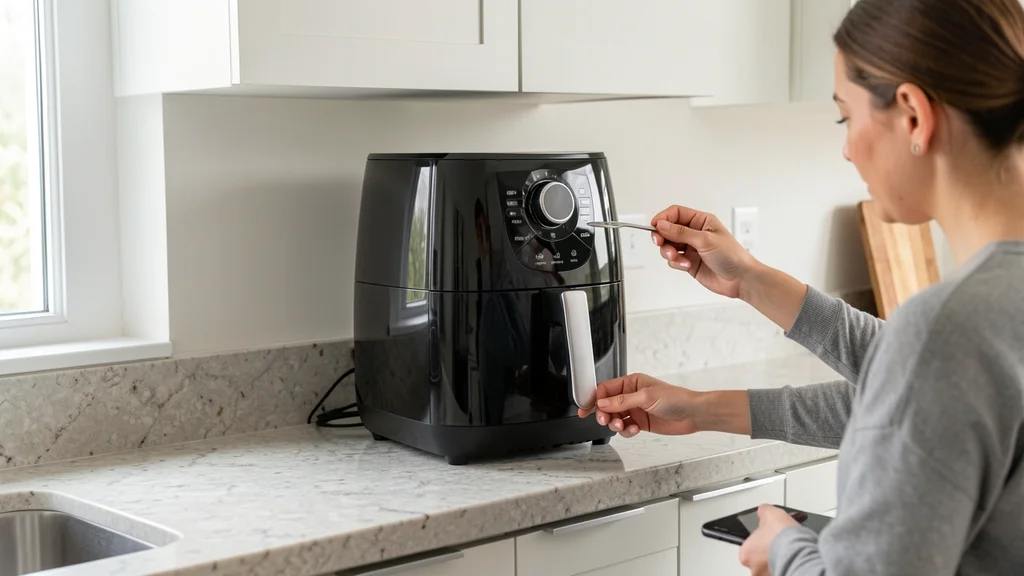
Ensuring your air fryer is placed correctly is crucial for both its performance and your household’s safety. Many users overlook the importance of adequate air fryer wall clearance and fire safety, leading to potential hazards. These compact kitchen appliances, while incredibly convenient for quick and healthy meals, generate heat and require proper ventilation to operate safely.
Without sufficient space around the unit, heat can build up, damaging countertops, walls, and even posing a fire risk. This guide will walk you through the essential rules and best practices for safe air fryer placement, covering ventilation needs, material considerations for surfaces, and general safety tips to keep your kitchen and family secure.
The most critical aspect of air fryer use is maintaining proper ventilation by ensuring adequate space between the appliance and surrounding surfaces, particularly walls and cabinets, to prevent overheating and fire hazards. Always consult your air fryer’s manual for specific clearance recommendations, as these vary by model and manufacturer.
Understanding Air Fryer Heat Output and Ventilation Needs
Air fryers work by circulating hot air at high speeds, mimicking the effect of deep frying but with significantly less oil. This process generates substantial heat, not just from the cooking chamber but also from the motor and exhaust vents. Proper ventilation is paramount because it allows this heat to dissipate safely.
When an air fryer is too close to walls, cabinets, or other appliances, the hot air cannot escape freely. This trapped heat can cause several problems.
Firstly, it can lead to premature wear and tear on the appliance itself. Components like the fan motor and heating elements can overheat, reducing their lifespan. Secondly, and more critically, the prolonged exposure of surrounding surfaces to this trapped heat can cause damage.
This might range from discoloration and warping of plastic components or countertops to, in severe cases, igniting flammable materials nearby. Therefore, understanding the heat output and ventilation requirements is the first step toward safe operation.
- Heat Dissipation: Air fryers release hot air, primarily from the back and top.
- Component Cooling: Internal components require airflow to prevent overheating.
- Surface Protection: Adequate clearance prevents damage to countertops and walls.
- Fire Prevention: Safe ventilation is a primary measure against fire risks.
- Appliance Longevity: Proper airflow contributes to the air fryer’s operational lifespan.
Manufacturer Recommendations: Your Air Fryer’s Instruction Manual
The single most important resource for understanding your air fryer’s specific clearance needs is its instruction manual. Manufacturers design their appliances with particular ventilation requirements in mind, and these are detailed in the user guide. Ignoring these recommendations is a significant oversight that can compromise safety and void warranties.
Manuals typically specify minimum clearance distances for the sides, back, and top of the air fryer. These measurements are not arbitrary; they are based on engineering tests to ensure safe operation under typical usage conditions. For instance, a common recommendation is to leave at least 3 to 5 inches of space on all sides and at the back, and potentially more space above, especially if cabinets are directly overhead.
| Clearance Area |
Typical Minimum Recommendation |
Why It’s Important |
| Sides |
3-5 inches (7.6-12.7 cm) |
Allows hot air to escape from the sides, preventing heat buildup. |
| Back |
3-5 inches (7.6-12.7 cm) |
Crucial for venting exhaust, preventing heat from damaging walls. |
| Top |
5-8 inches (12.7-20.3 cm) or more |
Essential for dissipating heat rising from the appliance, especially under cabinets. |
Always prioritize the specific instructions provided by your air fryer’s manufacturer to ensure optimal safety and performance.
Safe Surface Materials: Protecting Your Countertops
The surface on which you place your air fryer is just as important as the space around it. Not all countertop materials are equally equipped to handle the heat generated by cooking appliances. While many modern countertops are designed to be durable, prolonged exposure to heat, especially if trapped, can still cause damage.
Ideal surfaces for air fryers are non-combustible and heat-resistant. Materials like granite, quartz, ceramic tile, and stainless steel are excellent choices. These surfaces can withstand the ambient heat without warping, discoloring, or cracking.
They also provide a stable, non-slip base for the appliance.
Important: Avoid placing your air fryer directly on materials that can melt, warp, or scorch easily, such as plastic cutting boards, vinyl flooring, or certain laminate countertops, especially if they are not rated for high heat.
If your countertops are made of a material that is less heat-resistant, such as some types of wood or laminate, it is highly recommended to use a protective barrier. A thick, heat-resistant mat made of silicone, cork, or tempered glass can provide an extra layer of protection. Ensure this mat is large enough to cover the entire base of the air fryer and extends slightly beyond its edges.
- Recommended Surfaces: Granite, Quartz, Ceramic Tile, Stainless Steel.
- Surfaces to Avoid: Plastic, Vinyl, Wood (unless specifically treated for heat), some Laminates.
- Protective Measures: Use heat-resistant mats or trivets.
- Stability: Ensure the surface is level and stable to prevent tipping.
- Cleaning: Regularly clean the surface beneath the air fryer to remove grease and debris that could pose a fire hazard.
Fire Safety: Preventing Potential Hazards
The primary concern with inadequate air fryer placement is the risk of fire. Heat is a fundamental element of cooking, but uncontrolled heat is dangerous. When an air fryer is placed too close to flammable materials like curtains, paper towels, dish towels, or even the underside of cabinets made of wood or composite materials, the risk of ignition increases significantly.
Understanding the sources of heat is key. The appliance itself generates heat, but so does the hot air it expels. If this hot air is directed towards combustible items, it can slowly heat them to their ignition point.
This process might not be immediate but can occur over extended periods of cooking or if the appliance is left on for too long without proper ventilation.
Warning: Never operate your air fryer near open flames, flammable liquids, or sprays. Always ensure the appliance is unplugged and cool before cleaning or storing it. Keep children and pets away from a hot air fryer.
Regular inspection of the air fryer and its surroundings is a vital fire safety practice. Check the power cord for any signs of damage, such as fraying or melting. Also, periodically inspect the walls and cabinets near where you typically use your air fryer for any signs of heat damage, such as discoloration or warping.
If you notice any such signs, reassess your placement immediately and consider moving the air fryer to a safer location or using additional protective measures.
Common Fire Hazards Associated with Air Fryers
Several common scenarios can lead to fire hazards if air fryer placement is not handled correctly:
- Proximity to Curtains or Blinds: Lightweight fabrics like curtains can easily be ignited by escaping hot air.
- Overcrowded Countertops: Placing an air fryer too close to other appliances or stacks of paper products increases the risk of heat transfer.
- Using Near Dish Towels or Oven Mitts: These items are often left on countertops and can be highly flammable.
- Placing Under Low Cabinets: Insufficient overhead clearance can trap heat, potentially damaging the cabinet material or even igniting it over time.
- Leaving the Appliance Unattended: While not directly related to placement, leaving a hot appliance unattended, especially in a precarious position, amplifies any risks.
Optimal Placement Strategies for Different Kitchen Layouts
Kitchen layouts vary significantly, and finding the ideal spot for your air fryer requires considering your specific space. The goal is always to achieve the recommended clearance without making the appliance inconvenient to use.
For kitchens with ample counter space: If you have a dedicated area on your countertop away from walls or the back of the stove, this is often the best option. Ensure there’s enough space for the air fryer and that you can easily access its controls and basket. This setup usually allows for the most straightforward adherence to clearance guidelines.
For smaller kitchens or limited counter space: This is where careful planning becomes essential. Consider using a sturdy, heat-resistant cart or island that can be positioned away from walls. Some people opt for storing their air fryer in a pantry or cabinet when not in use, provided the cabinet has adequate ventilation and is not directly above a heat source like an oven.
If storing in a cabinet, ensure it’s a dedicated space with good airflow and that the appliance is completely cool before storing. Some air fryers are designed with ventilation on the front, which might allow for closer placement to a backsplash but still requires side and top clearance.
- Island or Cart Placement: Offers flexibility to position away from walls.
- Dedicated Appliance Garage: Ensure ample ventilation if storing in a cabinet.
- Backsplash Considerations: While backsplashes protect walls, ensure the appliance isn’t too close to the stovetop’s heat or steam.
- Power Outlet Accessibility: Position the air fryer near an outlet, but avoid running cords under rugs or where they can be tripped over.
- Ease of Use: The placement should allow for easy loading, unloading, and operation without strain.
Beyond Clearance: Additional Air Fryer Safety Tips
While air fryer wall clearance is a primary concern, several other safety practices contribute to a secure kitchen environment. These tips complement proper placement and help ensure you get the most out of your appliance without incident.
One crucial aspect is regular cleaning. Food debris, oil residue, and crumbs can accumulate inside the air fryer basket, on the heating elements, and in the drip tray. This buildup can not only affect cooking performance but also become a fire hazard if it ignites.
Always unplug the air fryer and ensure it’s completely cool before attempting to clean it. Refer to your manual for specific cleaning instructions for different parts of the appliance.
Tip: Make cleaning your air fryer a part of your routine, ideally after each use or at least once a week, depending on frequency of use. This prevents grease buildup and ensures optimal performance.
Another vital safety measure is never to overfill the air fryer basket. Overfilling can obstruct airflow, leading to uneven cooking and potentially causing the appliance to work harder, generating more heat than intended. It can also lead to food splattering more vigorously, increasing the risk of grease buildup or contact with heating elements.
- Clean Regularly: Remove food residue from the basket, tray, and interior.
- Do Not Overfill: Allow for proper airflow around food items.
- Use Correct Accessories: Employ only air fryer-safe accessories; avoid plastic or materials not designed for high heat.
- Unplug When Not in Use: Always disconnect the power cord when the appliance is not in operation.
- Supervise Cooking: Never leave a cooking air fryer completely unattended for extended periods.
- Check for Damage: Periodically inspect the power cord and appliance for any signs of wear or damage.
Frequently Asked Questions
What is the standard clearance needed for an air fryer?
Standard clearance recommendations for air fryers typically range from 3 to 5 inches (7.6 to 12.7 cm) on the sides and back, and 5 to 8 inches (12.7 to 20.3 cm) or more above the unit. However, always consult your specific model’s instruction manual for precise guidelines, as these can vary.
Can I place an air fryer directly on my granite countertop?
Yes, granite is an excellent, heat-resistant material and is generally safe for placing an air fryer directly on it. Ensure the countertop is clean and that you still maintain the recommended clearance around the appliance to allow for proper ventilation.
What happens if I don’t provide enough clearance for my air fryer?
Insufficient clearance can cause the air fryer to overheat, potentially damaging the appliance, your countertops, or surrounding cabinets. It significantly increases the risk of fire by allowing heat to build up and come into contact with flammable materials.
Are there any special considerations for placing an air fryer under cabinets?
Yes, placing an air fryer under cabinets requires extra caution. You generally need more overhead clearance (often 8 inches or more) to allow rising hot air to dissipate effectively. Ensure there’s no direct contact with the cabinet material, which could be wood or composite and susceptible to heat damage or ignition.
How often should I check my air fryer for safety issues?
It’s wise to perform a visual check of your air fryer and its surroundings before each use, looking for obvious obstructions or damage. A more thorough inspection of the cord, vents, and surrounding surfaces for any signs of heat damage should be done at least monthly, or more frequently if you use the appliance daily.
Final Thoughts
Prioritizing air fryer wall clearance and fire safety is non-negotiable for responsible appliance use. By adhering to manufacturer guidelines, choosing appropriate surfaces, and practicing general safety precautions, you can enjoy the convenience of your air fryer without compromising your home’s safety. Always remember that proper ventilation is key to preventing overheating and potential fire hazards.