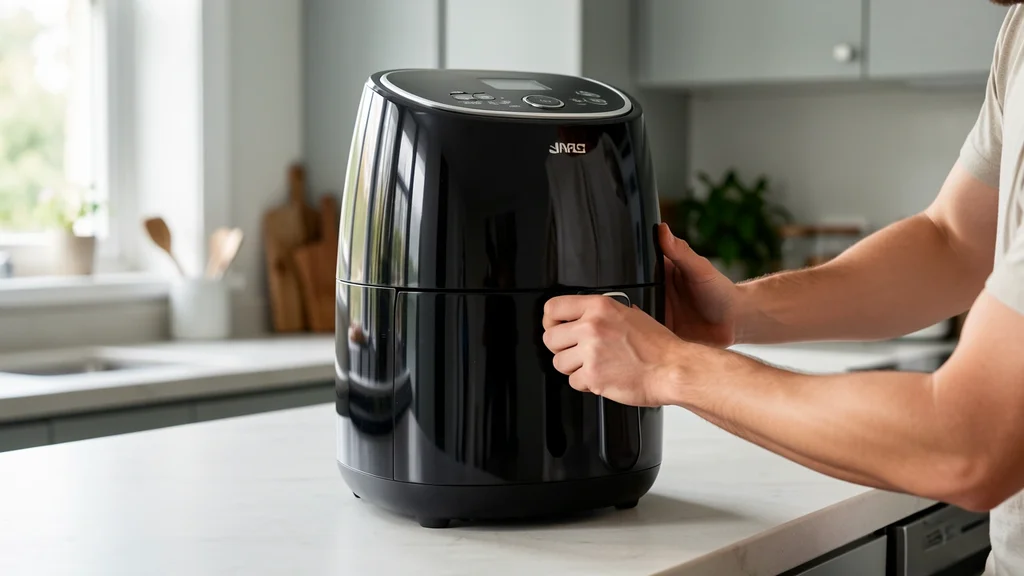
The convenience and speed of air fryers have made them a staple in many kitchens, transforming how we prepare meals. However, like any popular appliance, some models have faced scrutiny and, in some cases, been subject to recalls due to safety concerns. Understanding Air Fryer Recalls: Why Models Were Recalled & What to Do is crucial for ensuring your kitchen remains a safe environment.
This post will delve into the common reasons behind these recalls, the specific models affected, and the essential steps you should take if your air fryer is part of a recall, empowering you to protect yourself and your family from potential hazards.
If your air fryer has been recalled, cease use immediately and contact the manufacturer or the Consumer Product Safety Commission (CPSC) for instructions on repair, replacement, or refund. Checking the CPSC website is the most reliable way to determine if your specific model is affected and what steps to take.
Common Reasons for Air Fryer Recalls
Air fryer recalls are typically issued to address safety risks that could lead to injury or property damage. These issues often stem from manufacturing defects or design flaws that were not apparent during initial production. The primary concern for manufacturers and regulatory bodies is to prevent potential hazards before they cause harm to consumers.
Electrical malfunctions are among the most frequent culprits behind air fryer recalls. This can manifest in various ways, including faulty wiring, overheating components, or defective power cords. Such issues can create a risk of electric shock or, more alarmingly, fire.
Consumers rely on these appliances for daily cooking, and any electrical fault poses a significant danger to household safety.
Beyond electrical problems, other manufacturing defects can also trigger a recall. These might include issues with the appliance’s casing, locking mechanisms, or even the materials used in its construction. For instance, if a plastic component is prone to melting or degrading under normal operating temperatures, it could release harmful fumes or become a fire hazard.
Similarly, a faulty latch might cause the basket to detach unexpectedly during operation, leading to burns or other injuries.
- Electrical Faults: Overheating, short circuits, faulty wiring, and defective power cords are common issues.
- Fire Hazards: Defects leading to excessive heat or ignition of components pose a significant fire risk.
- Burn Risks: Malfunctioning parts, such as doors or baskets that detach unexpectedly, can cause severe burns.
- Choking Hazards: Small parts breaking off from the appliance can present a choking risk, especially for households with young children.
- Exposure to Harmful Substances: If non-food-grade materials are used or if components degrade, they could leach chemicals into food.
- Design Flaws: Poor ventilation or inadequate insulation can lead to overheating and potential damage.
Specific Models and Brands Affected by Recalls
Over the years, several air fryer models and brands have been subject to recalls, highlighting the need for vigilance among consumers. While it’s impossible to list every single instance, understanding the types of models that have been recalled can help you identify potential risks.
One notable recall involved a popular brand of compact air fryers due to a risk of overheating and fire. Reports indicated that the appliance’s wiring could overheat, leading to melting plastic and potential ignition. This recall impacted thousands of units sold across various retail channels, prompting a widespread consumer alert and a call for immediate action from affected owners.
Another significant recall focused on air fryers where the plastic handle on the basket could break off during use. This posed a serious burn hazard, as hot food and the basket could spill, causing injury. The manufacturer offered a repair kit or replacement for the affected models, emphasizing the importance of reporting the issue and following the provided instructions.
It’s important to note that recalls are not limited to any single price point or brand. Both budget-friendly and premium models have, at times, been identified with safety concerns. Therefore, always check the official recall notices from the manufacturer or the Consumer Product Safety Commission (CPSC) for the most accurate and up-to-date information regarding specific affected models.
| Brand |
Potential Issue |
Action Required |
| Brand A (Example) |
Overheating leading to fire risk |
Stop use, contact manufacturer for refund/replacement |
| Brand B (Example) |
Broken basket handle causing burn hazard |
Contact manufacturer for repair kit or replacement |
| Brand C (Example) |
Electrical short circuit risk |
Check CPSC website for recall notice and follow instructions |
This table provides a general overview; always refer to official recall notices for precise details on affected models and serial numbers.
How to Check if Your Air Fryer is Recalled
The most critical step for any consumer who owns an air fryer is to know how to verify if their specific unit is part of a recall. Fortunately, several reliable resources are available to help you with this process, ensuring you can quickly ascertain the safety status of your appliance.
The primary authority for product recalls in the United States is the Consumer Product Safety Commission (CPSC). Their website, CPSC.gov, is an invaluable resource. You can often find a dedicated recall section where you can search for specific product types or brands.
Many recall notices will provide detailed information, including model numbers, manufacturing dates, and images of the recalled product, making it easier to identify if your air fryer matches the description.
Beyond the CPSC, manufacturers themselves are obligated to announce and manage recalls of their products. Therefore, visiting the official website of your air fryer’s brand is another effective strategy. Look for a “Support,” “Safety,” or “Recalls” section on their site.
Companies often provide direct links to recall information and instructions on how to proceed if your product is affected. They may also have a dedicated customer service line for recall inquiries.
Finally, keeping original purchase receipts and product manuals can be extremely helpful. These documents often contain vital information such as the exact model number, serial number, and date of purchase, which are frequently required when reporting a recalled product or seeking a remedy.
- Visit CPSC.gov: Navigate to the recall section and search for “air fryer” or your specific brand.
- Check Manufacturer’s Website: Go to your air fryer brand’s official website and look for their recall or safety notices.
- Review Recall Details: Carefully examine the recall notice for model numbers, serial numbers, and images that match your appliance.
- Contact the Manufacturer: If your air fryer matches the recall criteria, contact the manufacturer directly for specific instructions.
- Keep Proof of Purchase: Have your receipt or manual handy, as this information may be needed for verification.
- Cease Use Immediately: If you suspect your air fryer is part of a recall, stop using it immediately to prevent accidents.
What to Do If Your Air Fryer is Recalled
Discovering that your air fryer has been recalled can be concerning, but it’s essential to act promptly and follow the recommended procedures. The goal of a recall is to mitigate risk, and adhering to the manufacturer’s or CPSC’s guidelines is paramount for your safety and well-being.
The very first and most important step is to immediately stop using the recalled air fryer. Continuing to use a product with known safety defects, especially one involving electricity and heat, significantly increases the risk of accidents like fires or electric shocks. Unplug the appliance and store it in a safe place, away from children and flammable materials, until you have a clear plan for its disposition.
Next, you will need to gather the necessary information to process the recall. This typically includes proof of purchase (like a receipt or credit card statement), the product’s model number, and often a serial number. Some recalls might also require photographic evidence of the defective part or the product itself.
Having these details readily available will expedite the process when you contact the manufacturer or follow the online instructions.
| Step |
Action |
Details |
| 1 |
Stop Use |
Immediately unplug and discontinue use of the air fryer. |
| 2 |
Gather Information |
Locate model number, serial number, and proof of purchase. |
| 3 |
Follow Recall Instructions |
Contact manufacturer or follow CPSC guidelines for remedy (refund, repair, replacement). |
| 4 |
Dispose Safely |
Follow manufacturer’s instructions for safe disposal or return. |
The typical remedies offered include a full refund, a free repair of the defective part, or a replacement unit. The specific remedy will depend on the nature of the defect and the manufacturer’s policy. Some manufacturers might require you to return the defective unit, while others may simply ask for proof of destruction or provide a repair kit.
Preventing Future Air Fryer Issues
While recalls are handled by manufacturers and regulatory bodies, consumers can also take proactive steps to minimize the risk of encountering issues with their air fryers and ensure safe operation. Regular maintenance and proper usage are key to prolonging the life of your appliance and preventing potential hazards.
One of the simplest yet most effective preventative measures is to always follow the manufacturer’s instructions for use and cleaning. This includes not overloading the air fryer basket, as this can impede airflow and cause components to overheat. Ensure that the appliance is placed on a stable, heat-resistant surface with adequate ventilation around it.
Never block the air vents, as this can lead to dangerous temperature build-ups.
Regular cleaning is also crucial. Food debris and grease can accumulate inside the air fryer, which can not only affect cooking performance but also become a fire hazard if they ignite. Most air fryer components, such as the basket and tray, are removable and dishwasher-safe or can be easily washed by hand.
Always ensure the appliance is unplugged and completely cool before cleaning.
Warning: Never attempt to repair a recalled air fryer yourself. Unauthorized repairs can void warranties and, more importantly, may not address the underlying safety defect, potentially creating new risks. Always rely on the official recall process and authorized service.
When purchasing a new air fryer, do your research. Read reviews from reputable sources and check for any past safety concerns or recalls associated with the brand or model. Purchasing from well-known retailers can also provide an added layer of security, as they often have robust return policies and are responsive to consumer safety issues.
- Read the Manual: Always familiarize yourself with your air fryer’s operating and safety instructions.
- Proper Ventilation: Ensure sufficient space around the appliance for airflow.
- Avoid Overloading: Do not pack the basket too full; allow air to circulate freely.
- Regular Cleaning: Clean the basket, tray, and interior regularly to prevent grease buildup.
- Inspect for Damage: Periodically check the power cord and appliance for any signs of wear or damage.
- Use on Stable Surface: Place the air fryer on a flat, heat-resistant surface.
Frequently Asked Questions
What is the most common reason for air fryer recalls?
The most common reasons for air fryer recalls revolve around electrical malfunctions, such as overheating, faulty wiring, or defective power cords, which can lead to fire hazards or electric shocks. Other significant causes include mechanical failures like broken handles or latches, posing burn risks.
Can I still use my air fryer if it hasn’t been recalled?
If your air fryer has not been specifically named in a recall notice, it is generally considered safe to use. However, it’s always wise to be vigilant. Regularly inspect the power cord for any damage and ensure the appliance is functioning correctly without unusual noises or smells.
Who issues air fryer recalls?
Air fryer recalls are typically issued by the manufacturer of the product, often in coordination with or mandated by government safety agencies such as the Consumer Product Safety Commission (CPSC) in the United States, or similar bodies in other countries.
How long does it take to receive a refund or replacement after a recall?
The timeframe for receiving a refund or replacement can vary significantly depending on the manufacturer and the volume of affected products. Typically, it can take anywhere from a few weeks to several months. Following the manufacturer’s instructions precisely will help expedite the process.
What should I do with a recalled air fryer?
If your air fryer is recalled, you should immediately stop using it. Follow the instructions provided by the manufacturer or the CPSC. This usually involves returning the product, receiving a repair kit, or obtaining a refund or replacement.
Do not dispose of it in regular household trash without proper guidance.
Final Thoughts
Air fryer recalls, while alarming, are a necessary part of ensuring consumer safety. By understanding the common causes, knowing how to check for recalls, and following the correct procedures, you can effectively manage any issues that arise. Prioritizing safety by staying informed and acting promptly allows you to continue enjoying the benefits of your kitchen appliances with peace of mind.