
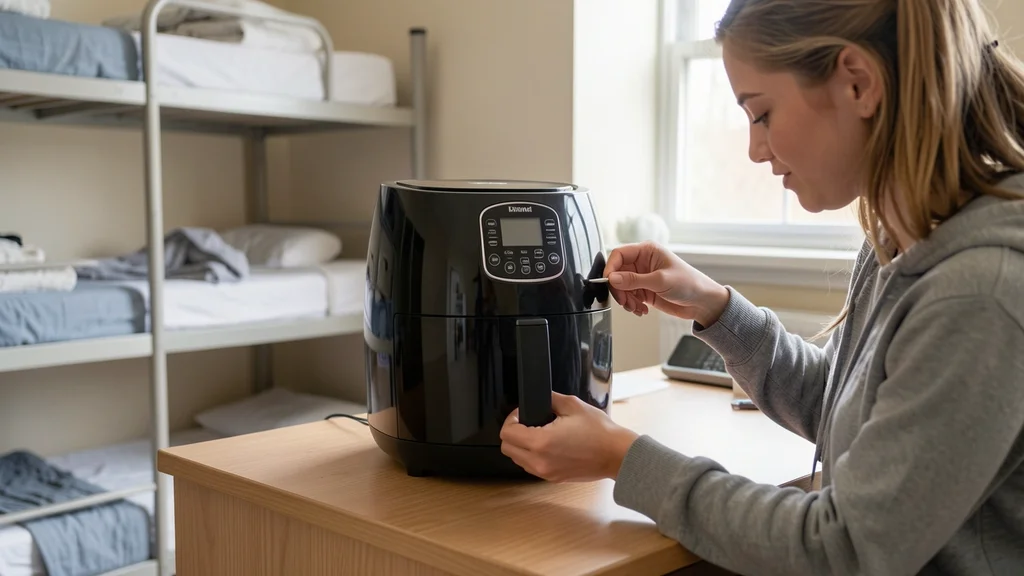
Navigating college dorm rules can feel like a maze, especially when it comes to bringing your favorite appliances. For many students, the question arises: Are air fryers allowed in college dorms? The answer isn’t a simple yes or no; it depends heavily on your specific institution’s policies. Dorm room safety regulations are often strict, aiming to prevent fire hazards and electrical overloads.
Understanding these rules is crucial to avoid potential fines or having your appliance confiscated. This guide will break down the common regulations, factors to consider, and how to find out for sure about your dorm’s policy regarding air fryers.
Generally, many colleges permit small, energy-efficient air fryers in dorm rooms, provided they meet specific safety standards and are used responsibly. However, some institutions may ban them due to fire risk or electrical load concerns. Always verify your college’s official housing contract and dorm policies for a definitive answer.
College Dorm Appliance Policies Explained
College dormitories are designed with safety as a top priority. This means that most institutions have a list of prohibited and permitted appliances. The primary concerns revolve around fire safety, electrical capacity, and potential damage to dorm property.
Appliances that generate significant heat, use open flames, or draw a large amount of power are often restricted or outright banned.
Air fryers, while popular for their convenience and healthy cooking options, fall into a category that requires careful consideration by university housing departments. Their heating elements and potential for grease buildup can be seen as fire risks. Additionally, if many students in a dormitory are using high-wattage appliances simultaneously, it can overload the building’s electrical system, leading to power outages or electrical hazards.
To determine if an air fryer is allowed, you must consult your college’s official housing guidelines. These documents are usually available on the university’s residential life or housing portal. They will explicitly list which appliances are forbidden.
If air fryers are not mentioned, it doesn’t automatically mean they are permitted; sometimes, a general clause about “high-wattage appliances” or “cooking appliances” can encompass them.
Factors Influencing Dorm Air Fryer Permissions
Several key factors influence whether a college will allow air fryers in dorm rooms. Understanding these can help you make a case for their use or prepare for their prohibition.
- Wattage and Power Consumption: Colleges often have limits on the wattage of appliances students can bring. A typical air fryer can range from 1000 to 1800 watts. Dormitory electrical circuits are not designed to handle the same load as a standard home kitchen, and excessive wattage can trip breakers or cause safety issues.
- Fire Safety Regulations: Fire departments and university safety committees review dorm policies. Appliances that have a higher risk of causing fires, such as those with exposed heating elements or those that produce smoke and grease, are scrutinized more heavily.
- Size and Type of Air Fryer: Some colleges might differentiate between very small, personal-sized air fryers and larger, family-sized models. Smaller units might be deemed less of a risk, while larger ones could be explicitly banned.
- Presence of a Dorm Kitchen: If your dorm has a communal kitchen equipped with full-sized appliances, the need for personal cooking devices like air fryers might be reduced, leading to stricter rules on personal appliances.
- Building Infrastructure: Older buildings may have less robust electrical systems, making them more prone to issues with multiple high-draw appliances. Newer dorms might be better equipped, but policies are often standardized across campus.
It’s also worth noting that some universities might have specific rules about where appliances can be used. For instance, they might be allowed in lounges but not in individual rooms, or require specific safety certifications.
How to Find Your Dorm’s Specific Rules
The most reliable way to determine if air fryers are allowed in your dorm is to directly consult official university resources. Guessing or relying on what friends say can lead to misunderstandings and potential disciplinary action.
Here are the steps you should take:
- Review the Residential Life Contract: Your housing contract or resident handbook is the primary document outlining appliance policies. Read it thoroughly, paying close attention to sections on prohibited items and kitchen appliances.
- Check the University Housing Website: Most universities have a dedicated section on their website for residential life. Look for a “Policies,” “Room Essentials,” or “Prohibited Items” page. This is often the most up-to-date source of information.
- Contact Your Resident Advisor (RA): Your RA is your first point of contact for any dorm-related questions. They are trained on the housing policies and can provide clarification or direct you to the correct resources.
- Reach Out to the Housing Office: If you can’t find clear information online or through your RA, contact the university’s housing or residential life office directly. They can provide an official answer.
- Look for Specific Appliance Lists: Some universities provide a clear list of “Allowed” and “Not Allowed” appliances. If air fryers are not on the “Not Allowed” list and not covered by a general prohibition, they may be permitted.
Remember to get any permission in writing if possible, especially if the policy is ambiguous. This can protect you if questions arise later.
Commonly Prohibited Appliances in Dorms
Understanding which appliances are almost always banned can give you a clearer picture of the types of risks colleges are trying to avoid. While policies vary, certain items are universally restricted due to safety concerns.
These typically include:
- Hot plates and electric burners (single or double burner)
- Toasters and toaster ovens (some exceptions for small, enclosed models exist)
- Microwaves (often restricted by wattage or prohibited altogether, though some dorms allow them)
- Electric kettles (some are allowed if wattage is low)
- Rice cookers
- Any appliance with an open heating element
- Portable heaters
- Incense burners and candles (due to fire hazard)
- Extension cords (power strips with surge protectors are usually allowed)
- Halogen lamps
Air fryers often fall into a gray area. They are cooking appliances that generate heat, similar to toaster ovens, but their design and function can differ. Some colleges may lump them with toaster ovens and ban them, while others might consider them acceptable if they meet certain wattage and safety criteria.
Alternatives to Air Fryers in Dorm Rooms
If your college prohibits air fryers, or if you want to be prepared for that possibility, there are several alternative appliances that are generally permitted and can help you prepare simple meals and snacks in your dorm room.
Consider these options:
| Appliance | Typical Permission Status | Use Cases | Considerations |
|---|---|---|---|
| Mini-Fridge | Almost Always Allowed | Storing drinks, snacks, leftovers, dairy, produce | Check size and energy star rating; some may have limits. |
| Microwave (Low Wattage) | Often Allowed (check wattage) | Reheating food, cooking instant meals, popcorn | Crucial to check wattage limit; typically 700-1000W. |
| Electric Kettle (Low Wattage) | Often Allowed (check wattage) | Boiling water for tea, coffee, instant noodles, oatmeal | Wattage is key; look for models under 1000W. |
| Blender (Personal Size) | Often Allowed | Making smoothies, protein shakes | Ensure it’s a compact, personal-size model. |
These smaller appliances are generally considered less of a risk and are more compatible with dorm electrical systems.
Safety Precautions for Dorm Appliances
Regardless of what appliances are permitted, safety should always be your top concern. Colleges have these rules for a reason, and adhering to them protects not only yourself but also your fellow students and the dorm property.
Here are essential safety tips:
- Read the Manual: Always read and follow the manufacturer’s instructions for any appliance you bring into your dorm.
- Use Approved Power Strips: Only use UL-listed power strips with built-in surge protectors. Never plug multiple high-wattage appliances into a single strip or outlet.
- Unplug When Not in Use: This is a critical safety measure to prevent electrical fires and save energy.
- Keep Appliances Clean: Regularly clean any appliance that produces heat or grease, like an air fryer or microwave, to prevent buildup that can cause fires.
- Never Leave Appliances Unattended: Do not leave cooking appliances running when you are not present in the room.
- Clearance is Key: Ensure appliances have adequate ventilation and are not placed too close to curtains, bedding, or other flammable materials.
- Report Issues Immediately: If you notice any frayed cords, sparks, or unusual smells from an appliance or outlet, report it to your RA or maintenance staff immediately.
What if Your Dorm Allows Air Fryers?
If you’ve confirmed that air fryers are permitted in your dorm, congratulations! However, your responsibility doesn’t end there. Responsible usage is paramount to ensuring this privilege isn’t revoked for you or future students.
Follow these guidelines:
- Choose a Compact Model: Opt for a small, personal-sized air fryer. These typically have lower wattage and take up less space.
- Check Wattage: Ensure your air fryer’s wattage falls within the college’s stated limits. If no limit is specified, aim for models under 1200 watts.
- Use with Caution: Never leave the air fryer unattended while in operation.
- Keep it Clean: Regularly clean the basket and heating element to prevent grease buildup, which is a fire hazard.
- Ensure Proper Ventilation: Place the air fryer on a hard, stable surface away from walls, curtains, and bedding. Allow space around the unit for air circulation.
- Use a Surge Protector: Always plug your air fryer into a surge protector, and ensure the outlet and protector can handle the appliance’s load.
- Be Mindful of Odors: Some air-fried foods can produce strong odors. Be considerate of your neighbors and ensure good ventilation.
By using your air fryer responsibly, you help maintain a positive living environment and demonstrate that students can be trusted with convenient appliances.
Frequently Asked Questions
Are air fryers considered a fire hazard in dorms?
Yes, air fryers can be considered a fire hazard due to their heating elements and potential for grease buildup, which is why many colleges restrict or ban them. Proper cleaning and responsible use are crucial to mitigating this risk.
What is the typical wattage limit for dorm appliances?
Wattage limits vary significantly by institution, but a common range for permitted appliances is often around 700 to 1200 watts. High-wattage appliances like powerful microwaves or toaster ovens are frequently prohibited.
Can I use an air fryer if my dorm has a communal kitchen?
Even if your dorm has a communal kitchen, personal appliances like air fryers might still be restricted in individual rooms. Always check your specific dorm’s policy, as communal kitchen access doesn’t automatically grant permission for all personal appliances in rooms.
What should I do if my air fryer trips the circuit breaker?
If your air fryer trips the circuit breaker, it indicates that the appliance is drawing too much power for the circuit, or the circuit is already overloaded. Unplug the air fryer and try to reduce the number of other appliances running on the same circuit. If it continues to happen, the appliance may be too powerful for dorm use or there could be an issue with the dorm’s wiring.
Are small, personal air fryers different from larger ones for dorm rules?
Some colleges may differentiate based on size and wattage. A very small, personal air fryer with lower wattage might be more likely to be permitted than a larger, family-sized model. However, this distinction is not universal and policies should always be checked.
Final Thoughts
Deciding whether an air fryer is allowed in your college dorm boils down to diligent research and adherence to institutional policies. Always prioritize safety and consult your university’s official housing guidelines before bringing any appliance. By understanding the rules and using permitted appliances responsibly, you can enhance your dorm living experience safely and without issue.