
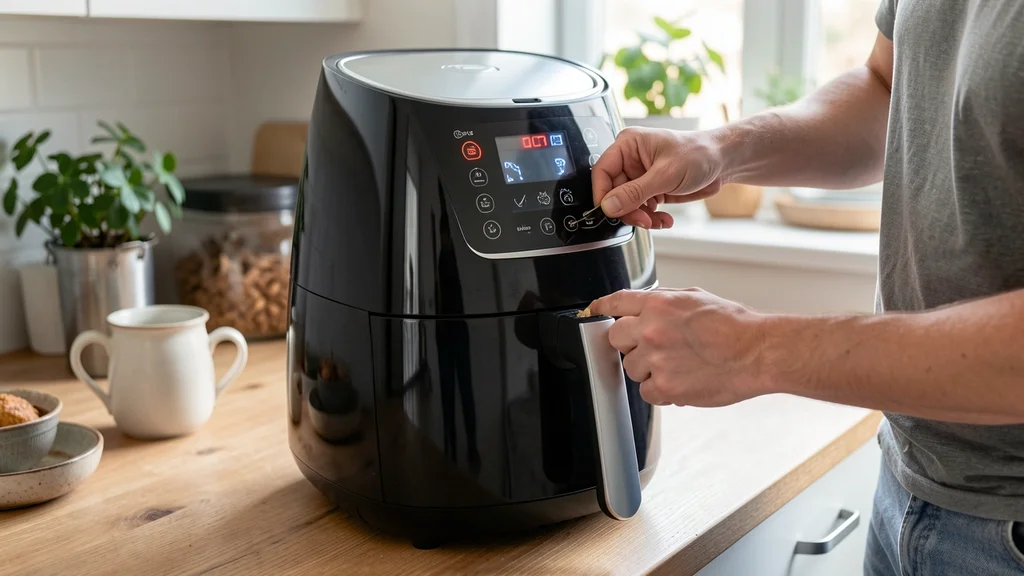
Many modern air fryers come equipped with a variety of indicator lights and sounds, designed to make the cooking process more intuitive. Among these, you might have noticed a “shake” indicator or alert. If you’ve ever found yourself wondering, “What does the shake indicator mean on your air fryer?” you’re not alone.
This feature is a crucial part of achieving perfectly cooked, evenly browned food, especially when cooking items that require flipping or shaking halfway through. Understanding its purpose and how to respond to it can significantly elevate your air frying game, ensuring crispy results and avoiding undercooked or burnt spots. This post will break down the meaning of this common air fryer alert, explain why it’s important, and offer tips for maximizing its benefit.
The shake indicator on your air fryer signals that it’s time to pause cooking and redistribute your food within the basket or tray. This action ensures even heat circulation and promotes uniform crisping and browning on all sides of your ingredients, preventing undercooked centers and overcooked edges.
Why Your Air Fryer Asks You to Shake
Air fryers work by circulating hot air at high speeds around the food. While this method is excellent for crisping, it can lead to uneven cooking if the food remains static. Items at the top or edges of the basket might cook faster than those in the center or at the bottom.
The shake indicator is a built-in reminder designed to combat this issue.
When the indicator lights up or beeps, it’s your cue to intervene. This pause in the cooking cycle allows you to manually adjust the food’s position. By shaking the basket or turning larger items, you expose different surfaces to the direct hot air flow, promoting consistent cooking and a desirable crispy texture throughout.
Ignoring the shake alert can result in a mix of textures and doneness levels in your dish. You might end up with some pieces perfectly golden and crispy, while others remain pale and slightly soft. This is particularly true for smaller items like fries, chicken wings, or chopped vegetables that can easily clump together.
- Even Browning: Ensures all sides of the food receive direct exposure to hot air.
- Consistent Texture: Prevents some pieces from becoming overcooked and dry while others remain undercooked.
- Optimal Crispiness: Critical for achieving that signature air-fried crunch.
- Reduced Hot Spots: Counteracts the natural tendency of air fryers to create uneven heating zones.
- Time Efficiency: Helps avoid having to manually check and rearrange food multiple times.
Understanding Different Shake Alerts
While the core purpose of the shake indicator remains the same, the way it alerts you can vary between air fryer models. Some devices have a simple visual indicator, like a light that turns on. Others will emit an audible beep or chime.
More advanced models might even pause the cooking cycle automatically when it’s time to shake, requiring you to restart it manually.
It’s essential to consult your air fryer’s user manual to understand the specific signals your appliance uses. Knowing whether it’s a light, a sound, or an automatic pause will help you respond correctly and promptly. Some manuals might even specify the ideal point in the cooking cycle for the shake alert, often around the halfway mark.
The frequency of the shake alert also depends on the cooking time and the type of food. Foods that are prone to sticking together or cooking unevenly, like fries, are more likely to trigger the alert. Longer cooking times will also generally include one or more shake prompts.
| Alert Type | Description | Action Required |
|---|---|---|
| Visual Light | A specific light on the control panel illuminates. | Open the basket, shake food, and close to resume. |
| Audible Beep | A distinct sound signals the need to shake. | Listen for the beep, open, shake, and close. |
| Automatic Pause | Cooking stops automatically until the basket is closed. | Open, shake food, and close the basket to restart. |
Different air fryer models employ various methods to notify you when it’s time to shake your food, ensuring you achieve the best possible results.
How to Respond to the Shake Indicator
Responding to the shake indicator is straightforward, but doing it efficiently ensures minimal heat loss from the air fryer. When the alert sounds or the light appears, open the air fryer basket or drawer. If you’re cooking items that can be easily tossed, like fries or nuggets, give the basket a good shake.
For larger items such as chicken breasts or fish fillets, you might need to use tongs to flip them individually.
The goal is to rearrange the food so that all pieces have a chance to cook evenly. Avoid over-handling the food, as this can break apart delicate items. Once you’ve shaken or flipped the food, close the basket securely.
Most air fryers will automatically resume cooking, while others may require you to press a “start” or “resume” button.
Warning: Always exercise caution when opening the hot air fryer basket. Steam can escape rapidly, and the basket and food will be very hot. Use oven mitts if necessary.
The timing of the shake alert is usually programmed to be around the midpoint of the total cooking time. For example, if a recipe calls for 20 minutes of cooking, the alert might sound at the 10-minute mark. This mid-point shake is often the most critical for even cooking.
- Open the Basket: As soon as you hear or see the alert, carefully open the air fryer basket or drawer.
- Rearrange Food: Shake the basket vigorously to toss smaller items. For larger pieces, use tongs to flip them.
- Ensure Even Distribution: Make sure food is not piled too high or clumped together.
- Close Securely: Close the basket or drawer completely.
- Resume Cooking: The air fryer should automatically resume, or you may need to press a button.
Foods That Benefit Most from Shaking
Certain types of food benefit significantly more from the shake indicator than others. These are typically smaller, uniform items that can easily stick together or pile up in the basket. The convection heat needs to reach all surfaces to achieve that perfect crispness.
Think about foods like french fries, tater tots, onion rings, chicken wings, and breaded shrimp. When these items are placed in the air fryer, they can settle into layers, preventing the hot air from circulating freely around each piece. A good shake or toss breaks up these clumps and ensures every piece gets direct exposure to the hot air.
Even some vegetables, when cut into smaller pieces, can benefit from a shake. Think about diced potatoes, Brussels sprouts, or broccoli florets. If they are not tossed halfway through, the ones at the bottom might steam rather than roast, and the ones on top might become too dry.
- French Fries
- Chicken Wings
- Tater Tots
- Onion Rings
- Breaded Shrimp
- Diced Potatoes
- Vegetable Medleys (smaller cuts)
- Popcorn Chicken
Even though the indicator is a helpful guide, it’s always good practice to visually inspect your food during the cooking process, especially for longer cooking times or when trying new recipes. This allows you to make manual adjustments if needed.
When to Ignore or Modify the Shake Alert
While the shake indicator is a valuable feature, there are instances when you might choose to ignore it or modify its use. For larger, single items like a whole chicken or a thick steak, shaking is not applicable. In these cases, you might need to flip the food manually with tongs instead of shaking the basket.
Similarly, if you’re cooking a dish where the ingredients are already well-distributed and unlikely to clump, such as a large piece of salmon or a pork loin, the shake alert might be less critical. However, it’s still good practice to check on larger items to ensure even cooking, as heat can sometimes concentrate on one side.
Some users prefer to shake their food more frequently than the indicator suggests. If you’re aiming for maximum crispiness or notice uneven cooking early on, you can open the air fryer and shake or flip the food at any point. Just be mindful of the heat loss that occurs each time you open the appliance.
| Situation | Recommendation | Reason |
|---|---|---|
| Large, Single Items (e.g., whole chicken, steak) | Flip manually with tongs. | Shaking is not effective for large pieces. Flipping ensures even browning. |
| Uniformly Spread Ingredients (e.g., salmon fillet) | May not need shaking. Visual check recommended. | Ingredients are not prone to clumping. Heat distribution is generally good. |
| Desire for Extra Crispiness | Shake or stir more frequently. | Increased agitation can lead to more surface area exposure and crispier results. |
Understanding when to adapt the shake indicator’s guidance is key to mastering your air fryer for a variety of dishes.
Common Mistakes When Using the Shake Indicator
One of the most common mistakes people make is simply ignoring the shake alert altogether. They might be busy, forgetful, or simply not understand its importance. This oversight directly leads to the uneven cooking issues the indicator is designed to prevent.
Another mistake is not shaking or rearranging the food sufficiently. A gentle nudge of the basket might not be enough to dislodge food that has started to stick or clump. You need to ensure a thorough redistribution of the ingredients.
Overcrowding the air fryer basket is also a significant issue that the shake indicator cannot fully overcome. If the basket is packed too tightly, even shaking or flipping won’t allow hot air to circulate effectively around each piece of food. This leads to steaming instead of crisping.
- Ignoring the Alert: Failing to shake or flip food when prompted.
- Insufficient Shaking: Not shaking the basket or rearranging food enough to move all pieces.
- Overcrowding the Basket: Filling the air fryer too full, preventing proper air circulation.
- Opening Too Early or Late: Opening the basket before the alert or waiting too long after it sounds.
- Not Checking Food: Relying solely on the indicator without visually inspecting the food for doneness.
Important: Always ensure your air fryer basket is properly seated before resuming cooking. An improperly closed basket can lead to uneven heating or safety issues.
Frequently Asked Questions
What if my air fryer doesn’t have a shake indicator?
If your air fryer lacks a dedicated shake indicator, you’ll need to rely on recipe guidelines or your own judgment. For most recipes with a cooking time over 10-15 minutes, it’s generally recommended to open the basket and shake or flip the food around the halfway point to ensure even cooking.
Can I shake the basket too much?
While it’s unlikely you can “shake too much” in terms of damaging the food, excessive opening and closing of the air fryer can prolong cooking time due to heat loss. Aim for efficient rearrangement and quick closure of the basket.
What temperature should I use when the shake indicator appears?
The shake indicator is a prompt for action, not a temperature adjustment. You should continue cooking at the temperature you initially set for the recipe. The purpose is to improve distribution at the current temperature.
Does the shake indicator work for all types of food?
The shake indicator is most effective for smaller, uniform food items like fries, wings, or nuggets that can be easily tossed. For larger, single items like a whole chicken or steak, you’ll need to manually flip them.
What does it mean if the shake indicator light blinks?
A blinking shake indicator light typically means the same thing as a solid light or a beep: it’s time to shake your food. Consult your user manual for the exact interpretation of specific light patterns on your model.
Final Thoughts
The shake indicator on your air fryer is more than just a simple alert; it’s a smart feature designed to optimize your cooking results. By understanding its purpose and responding promptly, you can consistently achieve evenly cooked, perfectly crispy food. Pay attention to your air fryer’s signals, consult your manual, and don’t hesitate to adapt the process slightly for different foods to make the most of this helpful tool.