
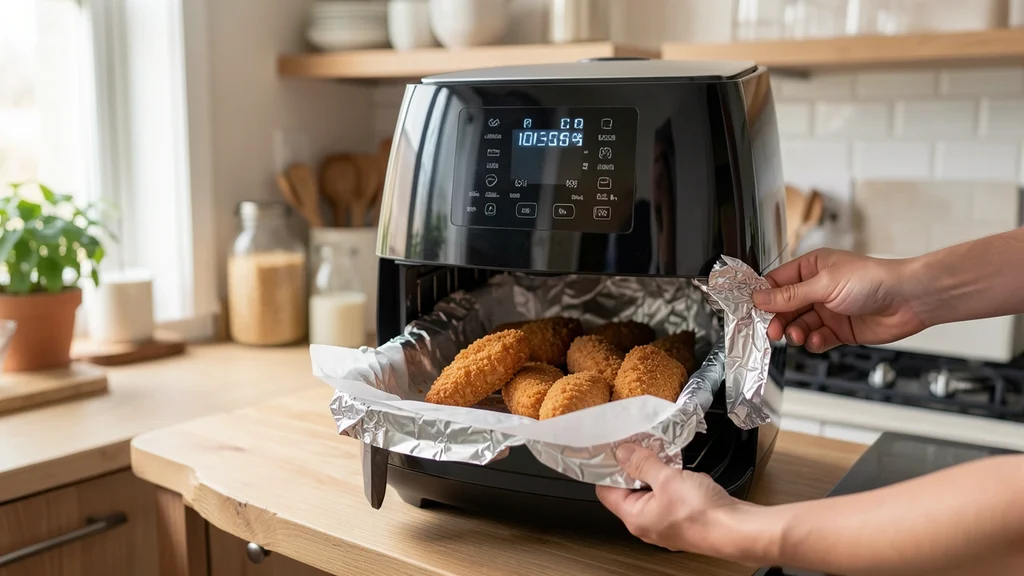
Air fryers have become a kitchen staple, celebrated for their ability to deliver crispy, delicious food with less oil. As you get more comfortable with your air fryer, you might wonder about using common kitchen liners like aluminum foil or parchment paper to make cleanup even easier. While these can be helpful, it’s crucial to understand the proper techniques and potential risks involved.
Using them incorrectly can lead to safety hazards or even damage your appliance. This guide will break down exactly when and how you can put foil or parchment paper in an air fryer safely, ensuring you get the best results while keeping your kitchen secure.
Yes, you can generally use parchment paper and aluminum foil in an air fryer with proper precautions. Parchment paper is often the safer and more recommended choice for most air fryer tasks, as it’s designed to withstand high heat. Aluminum foil requires careful placement to avoid direct contact with heating elements or causing airflow disruptions, which can lead to uneven cooking or fire hazards. Always ensure liners do not obstruct airflow and are weighed down by food.
Understanding Air Fryer Liners: Parchment vs. Foil
The debate over using liners in air fryers often boils down to two main contenders: parchment paper and aluminum foil. Both offer distinct advantages and disadvantages, and understanding these differences is key to making informed decisions for your cooking. Parchment paper, often called baking paper, is treated with silicone, making it non-stick and heat-resistant.
It’s a popular choice because it’s readily available, affordable, and significantly simplifies the cleaning process by catching grease and food particles.
Aluminum foil, on the other hand, is a versatile kitchen tool known for its durability and ability to conduct heat. It can be molded to fit various shapes and is excellent for wrapping foods or creating makeshift containers within the air fryer basket. However, its metallic nature and conductivity require more caution.
Improper use can lead to electrical issues or dangerous overheating if it comes into contact with the heating element, which is a critical safety concern for any air fryer user.
- Parchment Paper:
- Made from paper pulp treated with silicone.
- Non-stick properties make food release easy.
- Generally considered safer for most air fryer uses.
- Available in pre-cut rounds or sheets.
- Disposable and makes cleanup a breeze.
- Aluminum Foil:
- Made from thin sheets of aluminum.
- Durable and can be molded into various shapes.
- Good for wrapping foods or creating foil packets.
- Requires careful handling to avoid electrical or fire hazards.
- Can sometimes cause food to cook unevenly if it blocks airflow.
When to Use Parchment Paper in Your Air Fryer
Parchment paper is your go-to liner for a wide array of air fryer applications, especially when you want a non-stick surface and effortless cleanup. Its primary benefit lies in its ability to prevent food from sticking to the basket, which is particularly useful for delicate items like fish, baked goods, or anything prone to leaving residue. Many manufacturers even sell perforated parchment liners specifically designed for air fryers, which help maintain optimal airflow for crispier results.
Using parchment paper is straightforward: simply place a sheet or pre-cut liner at the bottom of your air fryer basket before adding your food. It’s crucial, however, to ensure the parchment paper is adequately weighted down by the food. If the basket is empty or contains very little food, the hot air circulating within the air fryer can lift the lightweight parchment paper, causing it to fly up and potentially come into contact with the heating element, posing a fire risk.
Always ensure your liner is secured by the food you are cooking.
- Ideal Uses for Parchment Paper:
- Baking cookies, muffins, or small cakes.
- Cooking fish fillets or shrimp.
- Air frying vegetables like broccoli or sweet potato fries.
- Reheating items that might stick (e.g., breaded chicken).
- Preventing small items (like fries) from falling through basket holes.
| Parchment Paper vs. Foil: Key Differences | ||
|---|---|---|
| Material | Paper pulp treated with silicone | Aluminum metal |
| Heat Resistance | Up to 450°F (232°C) | Higher, but can melt/warp at extreme temps |
| Non-Stick | Excellent | Good, but can stick if food has high sugar content |
| Airflow Impact | Minimal, especially perforated types | Can significantly block if not used carefully |
| Safety Concern | Fire hazard if it flies into heating element when empty | Fire hazard if it touches heating element, can cause electrical issues, can melt |
This table highlights that parchment paper generally offers a more user-friendly and safer experience for everyday air frying needs.
When to Use Aluminum Foil in Your Air Fryer
Aluminum foil can be a useful tool in your air fryer arsenal, but it requires a more mindful approach than parchment paper. Its malleability makes it excellent for creating custom-shaped liners or “boats” to contain foods that might otherwise fall through the basket or leak juices. For instance, if you’re cooking a whole small chicken or a dish with a marinade, a foil packet or a foil-lined container can be very effective.
It’s also handy for wrapping items you want to keep moist, as foil creates a tighter seal than parchment paper.
The most critical consideration when using aluminum foil in an air fryer is its placement. NEVER allow the foil to touch the heating element, which is typically located at the top of the air fryer. Direct contact can cause the foil to melt, ignite, or damage the appliance.
Furthermore, ensure that the foil does not completely cover the air fryer basket’s perforations or obstruct the airflow. Blocking airflow will lead to uneven cooking, soggy food, and can potentially strain the air fryer’s motor. Always ensure there’s ample space for air to circulate around the foil.
- Best Uses for Aluminum Foil:
- Wrapping fish or chicken to keep them moist.
- Creating a foil “boat” to contain saucy dishes.
- Lining the basket for easier cleanup of very greasy foods.
- Cooking small batches of items that might otherwise fall through.
- Using as a makeshift lid for certain dishes (ensure space for air).
Safety Precautions for Air Fryer Liners
Safety is paramount when using any accessory in your air fryer, and liners are no exception. The primary risks associated with using parchment paper or aluminum foil involve fire hazards and appliance damage due to improper airflow or direct contact with heating elements. Understanding these risks and implementing the following precautions will help ensure a safe and enjoyable air frying experience.
The most common mistake users make is using liners in an empty or near-empty air fryer basket. The powerful fan in an air fryer can easily lift lightweight liners, sending them into the hot heating coils. This can cause the liner to catch fire or melt, potentially damaging the appliance and creating a dangerous situation.
Always ensure your liner is secured by food, or if you must use it without food (e.g., to catch drips from a previous cook), monitor it closely and consider using a heavier, more secure liner like a silicone mat if possible.
- Secure the Liner: Always place food on top of the liner to keep it from flying up. If you’re cooking very small items, consider using a liner that fits snugly or has holes that allow food to rest on them.
- Ensure Airflow: Do not let the liner cover the entire basket or block the vents. Proper air circulation is essential for the air fryer to work effectively and safely.
- Avoid Heating Element Contact: This is especially critical for aluminum foil. Ensure no part of the foil touches the heating element at the top of the air fryer.
- Check Appliance Manual: Refer to your air fryer’s user manual. Some manufacturers specifically advise against using liners or have specific guidelines.
- Use Appropriate Temperatures: While most parchment paper is safe up to 450°F, be mindful of your air fryer’s temperature settings. Aluminum foil can warp or melt at extremely high temperatures.
Can You Put Foil or Parchment Paper in an Air Fryer with Food?
Yes, when used correctly, both foil and parchment paper can be placed in an air fryer with food. This is where they truly shine in simplifying cooking and cleanup. For parchment paper, as long as the food is on top of it, it’s generally safe to use.
The weight of the food will keep the liner in place, allowing hot air to circulate around the food and through any perforations in the liner.
With aluminum foil, it’s a bit more nuanced. You can wrap food in foil to create packets, or you can line the basket. If lining the basket, ensure you leave space around the edges and perforations for air to flow.
Some people create a makeshift basket by folding foil, but again, airflow is key. Think of the liner as an aid to cooking and cleanup, not a barrier that compromises the air fryer’s fundamental function of circulating hot air. If you’re unsure, err on the side of caution and opt for parchment paper.
- Best Practices for Liners with Food:
- Parchment: Place food directly on the liner. If cooking small items like fries, ensure they cover most of the liner to prevent it from shifting.
- Foil: Wrap food loosely to allow steam to escape, or create a structured foil liner that doesn’t impede airflow.
- Avoid Overlapping: Don’t fold or overlap foil excessively in a way that creates thick, heat-trapping layers.
- Check Doneness: Monitor your food closely, as liners can sometimes slightly alter cooking times or crispiness.
When NOT to Use Liners in Your Air Fryer
While liners can be incredibly convenient, there are specific scenarios where it’s best to avoid them altogether to ensure optimal cooking results and appliance longevity. The fundamental principle of an air fryer is the rapid circulation of hot air. Any liner that significantly impedes this process will compromise the food’s texture and the appliance’s efficiency.
For instance, if you are cooking foods that require maximum crispiness, like certain types of fries or breaded items, using a liner might hinder the process. The liner can create a barrier that prevents the hot air from reaching all surfaces of the food, resulting in a less crispy exterior. Additionally, if your air fryer basket is already designed with a non-stick coating that is easy to clean, or if you are cooking something that is unlikely to stick (like a plain piece of chicken breast), a liner might be an unnecessary addition that could potentially detract from the cooking performance.
- Situations to Avoid Liners:
- Maximum Crispiness Needed: For foods like french fries, onion rings, or breaded chicken where achieving a perfectly crisp exterior is the priority.
- Cooking Very Small Items: If the food items are so small that they cannot adequately weigh down the liner, increasing the risk of it flying up.
- When the Basket is Already Easy to Clean: If your non-stick basket cleans up easily, a liner might not be necessary and could slightly reduce crispiness.
- Cooking Sticky Foods Without Care: If you’re cooking very sticky foods like marshmallows or caramel and haven’t secured the liner properly.
- Manufacturer’s Recommendation: If your air fryer’s manual explicitly states not to use liners.
Alternatives to Parchment Paper and Foil
Beyond parchment paper and aluminum foil, several other options can help with air fryer cleanup and cooking. These alternatives often offer greater durability and reusability, making them a more sustainable choice for frequent air fryer users. Exploring these options can provide flexibility and enhance your air frying experience.
Silicone air fryer liners are a popular and eco-friendly alternative. They are reusable, heat-resistant, and designed to fit perfectly into most air fryer baskets. Their non-stick surface makes cleanup a breeze, and they can withstand high temperatures.
Another option is reusable silicone baking mats, which can be cut to size. These also offer excellent non-stick properties and are easy to wash. Some air fryer models even come with specialized accessories like stainless steel racks or pans that can serve similar purposes for containing food or facilitating cleanup.
- Reusable Silicone Liners:
- Durable and long-lasting.
- Heat-resistant and non-stick.
- Dishwasher safe for easy cleaning.
- Available in various shapes and sizes.
- More eco-friendly than disposable options.
- Other Reusable Options:
- Cut-to-fit silicone baking mats.
- Stainless steel air fryer racks or pans.
- Specialized air fryer accessories.
Frequently Asked Questions
Can I use aluminum foil to cover the entire bottom of my air fryer basket?
No, you should never cover the entire bottom of your air fryer basket with aluminum foil. This will block the essential airflow required for your air fryer to cook food properly, leading to uneven cooking and potentially damaging the appliance. Always ensure there are gaps for air circulation.
Is it safe to put parchment paper in an air fryer if the basket is empty?
It is generally unsafe to put parchment paper in an empty air fryer. The strong fan can easily lift the lightweight paper, causing it to fly up and potentially ignite when it comes into contact with the heating element. Always ensure the parchment paper is weighed down by food.
What is the maximum temperature for parchment paper in an air fryer?
Most standard parchment paper is rated for temperatures up to 425°F to 450°F (220°C to 232°C). Always check the packaging of your specific parchment paper. If your air fryer exceeds this temperature, it’s best to use an alternative liner or no liner at all.
Can aluminum foil melt in an air fryer?
Yes, aluminum foil can melt in an air fryer if it comes into direct contact with the heating element or reaches extremely high temperatures. This can damage your air fryer and create a fire hazard. Proper placement, ensuring it doesn’t touch the heating element, is crucial.
Are perforated parchment liners better for air fryers?
Perforated parchment liners are often considered better for air fryers because the holes allow for improved air circulation. This can help maintain crispiness and ensure more even cooking compared to solid liners. However, they still require food to weigh them down to prevent them from flying up.
Final Thoughts
Using parchment paper or aluminum foil in your air fryer can indeed simplify cooking and cleanup. Always prioritize safety by ensuring liners are properly secured by food and do not obstruct airflow. For most everyday tasks, parchment paper is the safer and more user-friendly option.
By understanding these guidelines, you can confidently use liners to enhance your air frying experience.