
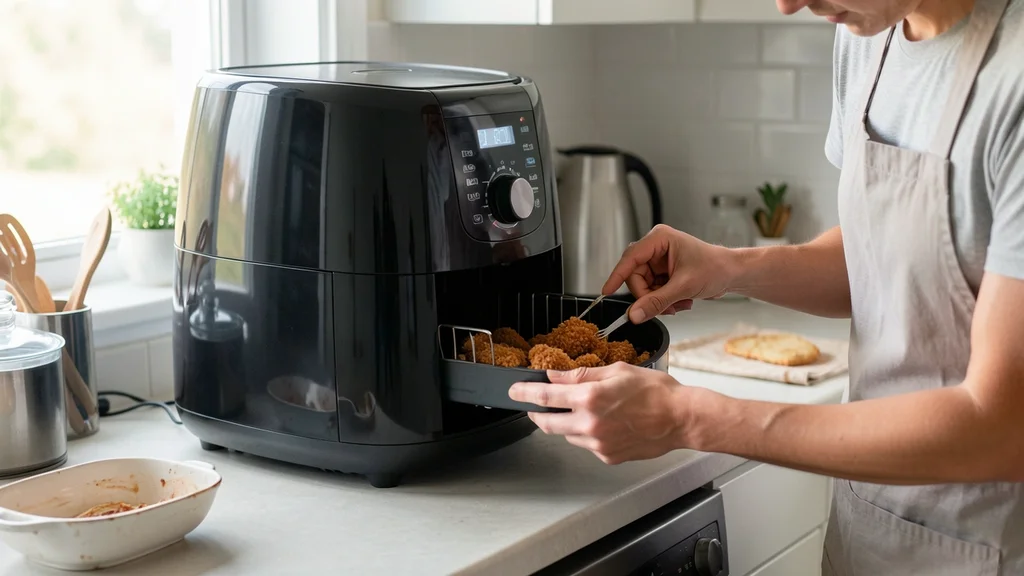
Deciding whether to preheat your air fryer can feel like a culinary mystery, especially when recipes offer conflicting advice. For many home cooks, the air fryer is a game-changer, delivering crispy results with less oil. However, understanding the nuances of its operation, like preheating, is key to unlocking its full potential and achieving perfection every time.
This guide will break down exactly do you need to preheat an air fryer, when it matters most, and how it impacts your cooking times and results, ensuring you get the most out of this versatile kitchen appliance.
Preheating your air fryer is generally recommended for most recipes to ensure even cooking and optimal crispiness, especially for foods that cook quickly. While not strictly necessary for all items, it significantly improves texture and reduces overall cook time for many dishes.
When Preheating Your Air Fryer Makes a Difference
The primary benefit of preheating any cooking appliance, including an air fryer, is to create a consistent and optimal cooking environment from the very start. When you place food into a cold air fryer, it takes longer for the appliance to reach the desired temperature. This delay can lead to uneven cooking, where the outside of your food might become overcooked or dry before the inside is properly heated through.
Preheating ensures that the moment your food enters the air fryer, it’s met with hot air circulating at the temperature specified in your recipe. This rapid heat transfer is crucial for achieving that signature crispy exterior that air fryers are known for, particularly with items like fries, chicken wings, and breaded vegetables. It mimics the effect of a hot oven or deep fryer, giving your food the best chance to develop a golden-brown crust.
- Achieve Optimal Crispiness: Hot air hits food immediately, promoting rapid browning and crisping.
- Ensure Even Cooking: Prevents the outside from overcooking while the inside remains underdone.
- Reduce Overall Cook Time: Eliminates the initial heating phase, leading to faster meal preparation.
- Better Texture Development: Crucial for foods that rely on a crispy exterior, like fried items.
- Mimics Traditional Methods: Replicates the intense heat of deep frying or a hot oven.
- Recipe Accuracy: Aligns cooking times with recipe instructions that assume a preheated appliance.
Which Foods Benefit Most From Preheating?
Certain types of food will see a noticeable improvement in texture and cooking time when introduced to a preheated air fryer. These are typically items that cook relatively quickly and benefit from an immediate burst of heat to create a desirable crust. Think of anything you’d want to be extra crispy or golden brown.
For instance, french fries, whether fresh or frozen, benefit immensely. The hot air instantly starts to crisp them up, preventing them from becoming soggy. Similarly, chicken wings, nuggets, and other breaded or battered items will achieve a superior crispiness that is difficult to replicate without a properly preheated environment.
Delicate items like fish fillets or vegetables that you want to roast to perfection also fare better when they don’t have to wait for the air fryer to heat up.
| Food Type | Preheat Benefit | Notes |
|---|---|---|
| French Fries (Fresh/Frozen) | Superior crispiness, less greasiness | Immediate hot air exposure is key. |
| Chicken Wings/Nuggets | Golden brown, crunchy exterior | Crucial for breaded items. |
| Breaded Fish/Shrimp | Crispy coating, moist interior | Prevents sogginess. |
| Vegetables (e.g., Broccoli, Asparagus) | Slightly roasted, tender-crisp texture | Helps achieve a better char. |
| Puff Pastry/Dough-based items | Faster puffing and browning | Essential for baked goods. |
These items significantly benefit from the immediate high heat provided by a preheated air fryer, leading to superior results compared to cold starts.
When You Might Skip Preheating
While preheating is generally beneficial, there are specific scenarios where skipping this step won’t negatively impact your meal, and might even be preferable. The key factor is the cooking time of the food and its ability to withstand a slower start.
For instance, if you are cooking larger, denser items that require a longer cooking time, such as a whole chicken or a thick cut of pork, the air fryer will naturally reach the target temperature during the cooking process. The extended cooking duration allows the appliance to heat up gradually without compromising the final result. In these cases, the time saved by not preheating is often negligible compared to the overall cooking duration.
- Longer Cooking Times: For items requiring 30+ minutes, the air fryer will heat up sufficiently on its own.
- Frozen Foods Requiring a Slower Start: Some delicate frozen items might benefit from a slightly gentler initial heat.
- When Time is Extremely Limited: If you’re in a rush and the recipe doesn’t strictly demand it, a cold start is acceptable.
- Reheating Leftovers: While preheating can speed up reheating, it’s often not critical for achieving acceptable results.
- Very Small Portions: A single item or very small batch might not warrant the extra preheating step.
- Specific Recipe Instructions: Always defer to recipes that explicitly state not to preheat.
Warning: Skipping preheating for quick-cooking, crispy foods like fries or wings can result in a less desirable texture, potentially leading to sogginess or uneven browning. Always consider the type of food you are cooking.
How Long Should You Preheat Your Air Fryer?
The ideal preheating time for an air fryer typically ranges from 3 to 5 minutes. Most modern air fryers have a heating element and a fan that work efficiently to reach the set temperature relatively quickly. Some models even have a preheat indicator light or a beep to signal when they are ready.
It’s important to note that the exact preheating time can vary based on the make and model of your air fryer, as well as the temperature you are setting it to. Higher temperatures will naturally take a bit longer to achieve. Always consult your air fryer’s manual for specific recommendations, but as a general rule, 3-5 minutes at your desired cooking temperature is usually sufficient to get the basket hot enough.
- Set your air fryer to the desired cooking temperature as indicated by your recipe.
- Allow it to heat up for 3 to 5 minutes.
- Some air fryers have an indicator light or sound that signals when preheating is complete.
- If yours doesn’t, simply set a kitchen timer for the recommended duration.
- Ensure the basket is empty during the preheating phase to allow air to circulate freely and heat the interior efficiently.
Impact on Cooking Times and Temperature
Preheating your air fryer directly influences cooking times. By starting with a hot appliance, you are essentially beginning the cooking process immediately, which can shorten the overall time needed to achieve perfectly cooked food. Recipes are often written with the assumption that the air fryer has been preheated, so failing to do so might mean your food isn’t cooked through or as crispy as intended within the suggested time.
Regarding temperature, preheating ensures the air fryer maintains the set temperature more consistently throughout the cooking cycle. Without preheating, the air fryer’s temperature will fluctuate more as it tries to catch up. This inconsistency can lead to unevenly cooked food, where some parts are done while others are still raw or undercooked.
The consistent high heat is what allows for that characteristic air-fried crispiness.
| Factor | With Preheat | Without Preheat |
|---|---|---|
| Initial Cooking Speed | Fast, immediate heat transfer | Slow, appliance heats up with food |
| Overall Cook Time | Shorter, as per recipe | Potentially longer, may need adjustments |
| Temperature Consistency | More stable and consistent | Can fluctuate more during cooking |
| Food Texture | Optimal crispiness and browning | May be less crispy, more uneven |
Adhering to preheating guidelines ensures your food cooks as intended, achieving the best possible texture and flavor.
Tips for Efficient Air Frying
Beyond preheating, several other practices can help you get the most out of your air fryer and ensure consistently delicious results. These tips focus on maximizing airflow, proper food preparation, and understanding the appliance’s limitations.
Properly arranging food in the air fryer basket is paramount. Overcrowding is a common mistake that prevents hot air from circulating effectively. This leads to uneven cooking, where some items are crispy while others are steamed and soft.
Aim to cook in batches if necessary, ensuring a single layer of food with a little space between each piece.
- Don’t Overcrowd the Basket: Allow space for air to circulate freely around food items. Cook in batches if needed.
- Shake or Flip Food Midway: This is crucial for even browning and crispiness on all sides, especially for items like fries or wings.
- Use a Little Oil (When Appropriate): For foods that are naturally dry, a light spray or toss with oil can enhance crispiness and prevent sticking.
- Pat Food Dry: For maximum crispiness, especially with breaded items or vegetables, patting them dry before cooking removes excess moisture.
- Clean Your Air Fryer Regularly: Food debris can affect airflow and lead to smoke or uneven cooking.
- Experiment with Accessories: Racks, pans, and other accessories can expand your air fryer’s capabilities.
- Adjust Recipe Times: Air fryers cook faster than conventional ovens, so start checking food a few minutes before the recipe suggests.
Tip: If a recipe for your air fryer doesn’t specify preheating, assume it’s a good idea. It’s a small step that often yields significant improvements in texture and cooking efficiency.
Common Mistakes When Using an Air Fryer
Many users encounter issues with their air fryer not because the appliance is faulty, but due to common usage errors. Recognizing and avoiding these pitfalls can dramatically improve your cooking experience and the quality of your meals.
One of the most frequent mistakes is overcrowding the air fryer basket. This directly impedes the circulation of hot air, which is the core mechanism of an air fryer. When food is piled too high or packed too tightly, it steams rather than fries, leading to limp, unevenly cooked results.
It’s better to cook in smaller batches to ensure each piece gets adequate exposure to the hot air.
- Overcrowding the Basket: This is the number one mistake, leading to steaming instead of frying.
- Not Shaking or Flipping Food: Essential for even browning and crispiness on all sides.
- Using Too Much Oil: Air fryers require very little oil; excessive amounts can make food greasy and cause smoking.
- Ignoring Manufacturer Instructions: Different models have unique features and recommended usage patterns.
- Not Cleaning the Appliance: A dirty air fryer can impact performance, create smoke, and affect taste.
- Expecting Oven-Like Results for Everything: Air fryers excel at crisping and browning, but are not ideal for all cooking methods.
- Using the Wrong Type of Pan/Accessory: Ensure accessories are air fryer safe and don’t block airflow.
Avoiding these common errors will help you achieve the best possible results from your air fryer, making it a reliable tool in your kitchen.
Frequently Asked Questions
Do I need to preheat my air fryer for frozen fries?
Yes, preheating your air fryer is highly recommended for frozen fries. It allows the hot air to immediately crisp the exterior, preventing them from becoming soggy and ensuring they cook evenly and quickly. Follow your air fryer’s recommended preheating time of 3-5 minutes.
How long does it typically take to preheat an air fryer?
Most air fryers take about 3 to 5 minutes to preheat to the desired temperature. Some models have an indicator light or a beep to let you know when it’s ready. Always check your appliance’s manual for specific guidance.
Can I put food in a cold air fryer?
You can put food in a cold air fryer, but it’s generally not recommended for optimal results. This is especially true for foods that benefit from immediate crisping, such as fries, wings, or breaded items, as it can lead to uneven cooking and less desirable textures.
Will preheating my air fryer use a lot of electricity?
Preheating an air fryer for a short period (3-5 minutes) uses minimal electricity. The energy saved by reducing the overall cooking time often offsets the energy used for preheating, making it an efficient practice for achieving better results.
Should I preheat if I’m cooking a whole chicken?
For larger items like a whole chicken that requires a longer cooking time (30 minutes or more), preheating is less critical. The air fryer will reach and maintain its temperature during the extended cooking period. However, preheating can still contribute to a slightly crispier skin from the start.
Final Thoughts
Ultimately, while not every single dish demands it, preheating your air fryer is a practice that consistently leads to better texture, more even cooking, and often, shorter overall cook times. For the best crispy results, especially with popular items like fries and wings, a few minutes of preheating is a small step that makes a significant difference. Understanding when to preheat and when it’s less crucial will help you master your air fryer and produce delicious meals every time.